
Are you struggling to keep a wellness strategy fresh after the kickoff campaign ends? That's usually the fundamental issue. Teams don't lack ideas. They lack a reliable stream of credible, usable input they can translate into manager habits, employee programming, and better day-to-day decisions.
That's where the best workplace wellness podcasts earn their place. They're not just background listening for a commute. Used well, they become a practical feed of talking points for leaders, themes for internal campaigns, and frameworks for programs that employees will notice. That matters because workforce expectations around employer-supported health and wellbeing have clearly shifted, a change reflected in the broader rise of specialized workplace wellness content and resources, as noted in Lyra Health's 2022 report discussed by Eat Move Think's episode on stories of workplace wellness.
This list moves quickly and stays practical. Each pick is evaluated through the lens of an HR leader, benefits owner, or workplace strategist who has to turn ideas into execution. That means looking at what each show is best for, where it fits in a real company setting, and how to use it without building another disconnected wellness initiative that employees ignore.
Some of these podcasts are directly workplace-focused. Others are broader health or leadership shows that become powerful when translated into workplace programming. The common thread is usefulness. If a podcast can't help shape a better mental health talk, nutrition campaign, leadership behavior, fitness offering, or burnout prevention strategy, it doesn't belong on the list.
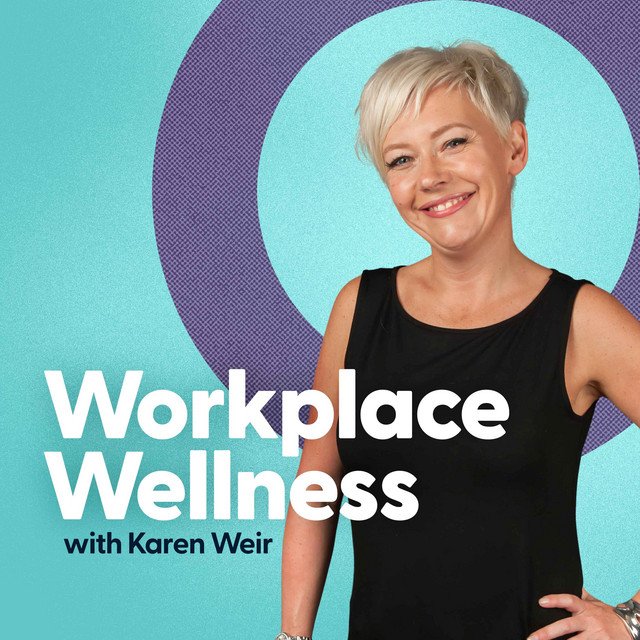
1. The Workplace Wellness Podcast
This is the most direct fit for HR and benefits teams that want operating guidance, not just inspiration. A dedicated workplace wellness show keeps the discussion anchored in program design, rollout decisions, communication, and the messy reality of sustaining participation after launch month.
That focus matters because many organizations still overbuild at the start. They launch too many services, spread budget too widely, and then struggle to explain what success should look like. A podcast centered on workplace wellness helps teams stay closer to fundamentals such as audience fit, leadership alignment, and implementation sequence.
Why it matters in practice
For a large employer, this kind of show is useful during program planning cycles, vendor reviews, and annual refreshes. It gives HR leaders language they can reuse when they need to explain why a phased launch often works better than a sprawling one.
A common use case is a company preparing to introduce a wellness calendar with several new components, such as mental health talks, fitness classes, and nutrition education. Listening to launch-focused episodes first helps the team narrow scope, choose a clear entry point, and avoid presenting employees with five disconnected offerings at once.
Use it before rollout: Queue launch and implementation episodes before introducing a new wellness initiative.
Turn episodes into internal briefs: Pull 3 to 5 takeaways into a one-page note for leadership and site managers.
Stay small on purpose: Pair podcast insights with a phased build approach such as this guide on starting small with employee health and wellness programs that actually work.
Practical rule: If a podcast idea can't be translated into one manager action, one employee message, and one measurable program input, it's still only content.
2. The Model Health Show
This show isn't built specifically for corporate wellness teams, but it's one of the stronger sources for employee-facing topics that people care about. Sleep, food, movement, energy, and recovery are easier entry points than abstract “wellness culture” messaging, especially in organizations where employees are skeptical of corporate language.
That makes The Model Health Show useful for content development. Wellness teams can use it to shape lunch-and-learns, monthly communications, manager discussion prompts, and practical behavior-change campaigns.
Best use inside a workplace program
A smart application is to build theme weeks around a single topic from the show. Sleep is a strong example. Instead of launching a broad resilience campaign, a team can run a focused week on sleep hygiene, pair it with a short internal webinar, and send managers talking points on energy, meeting load, and recovery habits.
Nutrition episodes also translate well into food environment decisions. Benefits teams and office operations leaders can use them to guide snack standards, cafeteria messaging, or educational content that supports healthier everyday choices. For teams that want a simple companion resource, this article on healthy food swaps for health and wellbeing fits neatly into a nutrition communication series.
The trade-off is that not every episode belongs in a workplace context. Some are better suited to individual interest than enterprise programming. The right move is curation, not broad sharing.
Curate by audience: Send selected episodes to employees based on topic relevance, not as a company-wide blast.
Build from one idea: Use one episode to shape one campaign, instead of trying to turn a whole show into a strategy.
Keep the tone practical: Translate content into daily actions employees can try this week.
3. Mental Health Today
Mental Health Today belongs on this list because many wellness strategies still underinvest in translation. They offer counseling benefits, awareness days, or EAP reminders, but they don't equip managers and employees with a clearer shared language around stress, emotional strain, and support.
A podcast dedicated to mental health helps close that gap. It gives HR teams a current stream of themes they can convert into manager training, campaign content, and resource hubs that feel more relevant than static policy pages.
Where it creates the most value
This show is most useful when an organization is trying to strengthen its mental health architecture, not just its messaging. A benefits team reviewing counseling access, manager escalation pathways, and internal mental health education can use episode themes to identify what's missing in the employee experience.
One practical scenario is Mental Health Awareness Month planning. Instead of producing generic awareness content, a team can use recurring topics from the show to organize sessions on burnout signals, workload conversations, boundaries, and recovery practices. That works even better when paired with environmental factors. For example, workplace programming that includes access to restorative spaces, outdoor breaks, or nature-based wellbeing prompts can complement mental health education, as explored in this piece on whether nature is missing from a mental health at work strategy.
Mental health content works best when it changes manager behavior, not just employee awareness.
The caution is simple. Mental health podcasts can sometimes encourage broad empathy without enough operational follow-through. HR leaders still need clear referral processes, benefit navigation, and communication standards behind the message.
4. The Tim Ferriss Show
This is not a traditional workplace wellness podcast, and that's exactly why it can be useful. It exposes leaders to the habits, routines, and self-management practices used by high performers across fields. For executive teams and founder-led companies, that can be more persuasive than a standard wellness lecture.
The best use case is executive wellness and leadership modeling. When senior leaders hear credible guests discuss sleep, focus, recovery, training, or decision hygiene, those ideas often travel faster into culture than a top-down wellness memo.
What works and what doesn't
What works is selective use. A people leader or executive coach can pull one relevant episode into a leadership offsite, then use it to start a discussion on sustainable performance. That's particularly useful in organizations where leaders set unrealistic norms around availability, travel, or work intensity without realizing it.
What doesn't work is copying routines wholesale. This show often features highly individual practices, and some won't fit a broad workforce. The value is in extracting principles such as recovery discipline, better boundaries, or attention management, then adapting them into realistic expectations for leaders.
A strong scenario is an executive team that wants to improve leadership stamina without framing it as “wellness.” Podcast-informed discussions on routines, energy management, and cognitive performance can open the door to executive health support, more thoughtful meeting design, and stronger role modeling around time off and recovery.
Use with leaders, not everyone: This show tends to work best in executive or manager development settings.
Pull principles, not prescriptions: Build culture norms from recurring ideas, not from one guest's full routine.
Tie insight to behavior: Ask leaders what they'll stop, start, or change after listening.
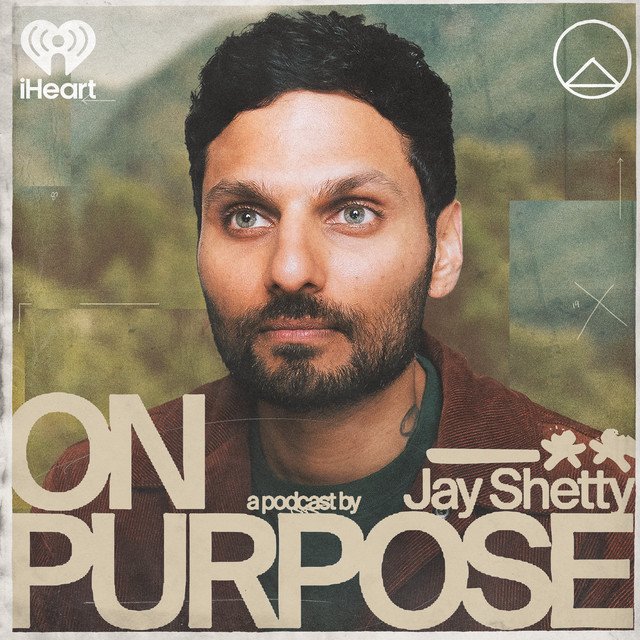
5. On Purpose with Jay Shetty
If an organization wants to strengthen mindfulness, reflection, and emotional wellbeing without making the content feel clinical, this is one of the better options. The show is accessible, polished, and often easier for a broad employee base to engage with than more technical mental health content.
That accessibility matters. Wellness teams often lose employees by making mental wellbeing sound too formal or too remedial. On Purpose gives them a language of purpose, calm, and self-awareness that can lower resistance.
A good fit for culture and communication
This podcast works especially well in employee communications and lighter-touch programming. A company can use episode themes in mindfulness campaigns, wellbeing newsletters, or optional reflection sessions that support stress reduction without requiring employees to identify with a formal mental health intervention.
It also fits well into physical space strategy. In offices that already have quiet rooms, wellness spaces, or reset areas, the show can help shape how those spaces are introduced and normalized. In distributed organizations, the same ideas can support short virtual mindfulness sessions or manager-led reset moments before intense project periods.
The trade-off is that inspiration alone won't shift culture. If the workplace overloads calendars, rewards constant urgency, or ignores manager conduct, mindfulness content can start to feel cosmetic. This show is strongest when paired with operational changes that reduce unnecessary friction.
Use mindfulness content to support healthier work, not to compensate for unhealthy work design.
A practical weekly use is simple. Select one episode theme, turn it into a short internal message, then connect it to one real behavior, such as blocked focus time, camera-optional recovery breaks, or a guided breathing session before a high-stakes meeting.
6. Wellness + Wisdom Podcast
This show is useful for organizations that want more depth on preventive health, stress resilience, sleep, and broader functional health ideas. It's a better fit for a mature wellness strategy than for a company still trying to launch basic programming.
That's because the content can be rich, nuanced, and occasionally more advanced than what a general employee audience needs. For wellness leaders, though, that depth is often a strength. It helps them think beyond isolated campaigns and toward more integrated health frameworks.
Best for a more developed wellness model
In practice, this show works well when an organization is ready to connect multiple pillars such as movement, sleep, nutrition, and stress support under one coherent strategy. A wellness director can use it to sharpen quarterly themes, refine educational content, or pressure-test whether a proposed initiative addresses root habits or just symptoms.
A common scenario is a company reviewing its preventive health approach. Instead of adding another disconnected challenge, the team may decide to organize the year around sleep quality, stress regulation, movement consistency, and food habits. This show supports that kind of integrated planning better than trend-driven wellness content.
The caution is relevance. Some episodes may veer too far into specialist territory for immediate employee use. HR leaders should translate the ideas carefully, especially in settings where trust depends on clear, practical communication rather than health optimization language.
Use it behind the scenes: It's often better as planner input than as broad employee-facing content.
Translate into plain language: Convert advanced concepts into everyday actions and simple education.
Integrate don't stack: Use the show to connect program pillars into one strategy instead of launching separate campaigns.
7. Brené Brown's Dare to Lead Podcast
What if your wellness program is sound, but employee stress stays high because manager behavior keeps undermining trust?
That is the case where Dare to Lead earns its place on this list. Brené Brown's conversations are less about wellness programming and more about the leadership conditions that determine whether people feel safe using the support already available to them. For HR leaders, that matters because psychological safety affects disclosure, help-seeking, workload conversations, and the day-to-day signals employees read from their managers.
This podcast is most useful when benefits utilization is flat, burnout concerns keep surfacing, or employee feedback points to fear rather than lack of resources. In those situations, adding another webinar rarely solves the actual issue. Leaders need better skills around candor, accountability, empathy, and clear expectations.
Strongest use case for HR teams
Use this show inside manager training, leadership roundtables, and culture repair work. Selected episodes can anchor discussion on feedback quality, role clarity, team norms, and how managers respond when someone says capacity is stretched.
The practical value is upstream. Dare to Lead helps HR teams address a driver of wellbeing that often gets missed in program design: whether leaders create enough trust for employees to speak openly before stress turns into absence, disengagement, or attrition.
Teams experience culture through daily manager behavior, not through wellness branding.
A strong implementation play is to pair one episode with one management behavior and one operational change. For example, if the focus is speaking up, ask managers to practice a simple check-in question in weekly one-to-ones, then update meeting norms so employees can raise workload concerns without penalty. That turns a leadership idea into a measurable workplace change.
One caution. This podcast is strongest as manager and HR input, not broad employee-facing content. The ideas are valuable, but they need translation into concrete actions, facilitator guides, and manager expectations.
If I were putting this into a wellness plan this week, I would use it to support a 30-day manager reset: one short listening assignment, one team discussion prompt, and one behavior metric such as check-in consistency or documented workload conversations. That is how this show contributes to ROI. It helps HR teams improve the conditions that make every other wellness investment more likely to work.
8. WorkLife with Adam Grant
What if the best wellness improvement this quarter is not a new benefit, but a better way of working?
WorkLife with Adam Grant earns a place on this list because it focuses on the conditions employees experience every day. The show examines job design, collaboration habits, decision-making, and team norms. For HR leaders, that makes it more than interesting listening. It is a practical input for fixing root causes of strain that no meditation app or step challenge can solve on its own.
That matters because the value of employee wellness programs is still debated, especially when companies treat wellness as a layer on top of unhealthy work patterns. WorkLife is useful in that setting because it keeps pulling leaders back to the operating environment itself. If people are stuck in fragmented calendars, unclear priorities, or constant responsiveness, the right question is not only what support to add. The right question is what to change in the work.
Why ROI-minded leaders should listen
The ROI case here is operational. This podcast helps HR and business leaders spot avoidable friction that drives burnout risk, weakens focus, and lowers retention. It is especially relevant during periods of change, such as hybrid policy resets, team redesign, manager transitions, or growth phases where old norms no longer hold.
A good use case is a team that reports rising stress even though participation in wellness benefits looks healthy. WorkLife gives leaders a better lens. Review workload distribution, meeting density, response-time expectations, and decision rights before adding another program. In practice, those fixes often produce faster results because they remove the source of pressure rather than asking employees to recover from it after the fact.
Use this podcast as a work-design playbook:
Bring one episode into a policy review: Use it to sharpen discussions about flexibility, meeting norms, autonomy, or collaboration rules.
Translate insight into a short pilot: Test one change for two to four weeks, such as protected focus blocks, clearer core hours, or fewer recurring meetings.
Measure the effect in business terms: Track manager check-in quality, meeting load, employee pulse feedback, or team-level turnover risk.
Keep the audience targeted: This is strongest for HR, people managers, and operations leaders who can turn ideas into practice.
One trade-off is that WorkLife is more diagnostic than prescriptive. It helps leaders ask sharper questions, but it does not hand over a ready-made wellness campaign. That is why I would not treat it as broad employee-facing content. I would use it with the people who shape how work gets done.
If I were applying it this week, I would choose one episode tied to a live issue, run a 30-minute cross-functional discussion, and end with one testable change in team operations. That is where this podcast creates value for workplace wellness. It helps leaders improve the system employees work inside, which makes every other wellbeing investment more likely to deliver results.

9. The Doctor's Farmacy with Mark Hyman, M.D.
This podcast is strongest when a workplace wellness strategy needs a better nutrition backbone. Food, energy, and metabolic health shape concentration, mood, and daily performance, but many companies treat nutrition as a side topic rather than a structural part of employee wellbeing.
The Doctor's Farmacy helps wellness teams go deeper. It can support better thinking around cafeteria choices, snack policies, lunch-and-learn topics, and educational content for employees who want clearer guidance on food and health.
Best application for workplace programs
A practical scenario is a company refreshing its food environment. The office may already offer snacks and catered meals, but the choices send mixed signals. Podcast-informed planning can help workplace leaders rethink what they stock, how they label options, and what kind of nutrition education they provide without becoming paternalistic.
This show also works well in voluntary education. Wellness teams can curate episode playlists for employees interested in food quality, chronic disease prevention, or energy management. It's a better fit for opt-in learning than for mandatory programming.
The limitation is that nutrition beliefs can get personal quickly. HR teams should avoid positioning any single podcast as doctrine. The smarter move is to use it as one informed input, then translate the ideas into practical workplace supports such as healthier defaults, stronger food-service conversations, and accessible education.
Food programming works when the environment supports the message. A poster about healthy eating won't offset a workplace that makes the easiest choice the least healthy one.
10. Feel Better, Live More with Dr. Rangan Chatterjee
What makes a wellness podcast usable in a real company, not just interesting to listen to? Usually, it comes down to whether HR can turn the ideas into a calendar, a communications plan, and a set of supports employees will use.
Feel Better, Live More earns its place because Dr. Rangan Chatterjee organizes health around four clear themes: relax, eat, move, and sleep. For workplace teams, that structure is practical. It gives HR leaders a simple operating model for annual programming without reducing wellbeing to a single issue such as stress or fitness.
A key advantage is program design. Instead of running disconnected campaigns across the year, teams can build one pillar per quarter and tie each theme to a measurable action. Relax can support manager education on workload recovery and mental health conversations. Move can shape walking challenges, stretch breaks, or ergonomic refreshers. Sleep can inform after-hours communication norms, fatigue education, or recovery-focused workshops.
This podcast also works well across different company sizes. A larger employer can build a full quarterly campaign around one pillar, with webinars, manager toolkits, and employee content. A smaller team can use the same framework for lighter-touch programming such as a monthly talk, a short internal newsletter series, or a few curated episodes tied to a wellbeing theme.
There is a trade-off. The four-pillar model is accessible, but it can become too broad if HR stops at awareness. Listening alone will not change behavior. The value comes from translating each topic into policy, environmental supports, and manager habits that employees notice in the flow of work.
A practical starting point is simple. Pick one pillar for the next 30 days, choose one workplace behavior to improve, and pair it with one visible support. If the focus is relax, add a manager talking point on recovery and host a short mental health session. If the focus is move, promote walking meetings and activity breaks. That is how this show shifts from good content to a usable wellness playbook.
Top 10 Workplace Wellness Podcasts Comparison
| Podcast | Implementation complexity | Resource requirements | Expected outcomes | Ideal use cases | Key advantages |
|---|---|---|---|---|---|
| The Workplace Wellness Podcast | Medium–High (enterprise frameworks) | Dedicated wellness team, measurement tools, program budget | Measurable ROI, higher engagement, reduced costs | Designing and scaling corporate wellness programs | Research-backed, program-focused, enterprise case studies |
| The Model Health Show | Low–Medium (education & content curation) | Communication channels, curated episode lists | Improved health literacy and employee participation | Employee education, lunch-and-learns, nutrition/fitness content | Accessible, science-backed, highly engaging host |
| Mental Health Today | Medium (sensitive content, HR review) | Mental health professionals, manager training, EAP links | Reduced stigma, better support frameworks, earlier intervention | Manager training, EAP redesign, mental health campaigns | Focused mental health expertise and practical coping strategies |
| The Tim Ferriss Show | Medium (curation for executives) | Executive time, selective episode curation | Leadership habit adoption, performance improvement | Executive wellness tracks, leadership development | Deep interviews with high-performers; high-impact insights |
| On Purpose with Jay Shetty | Low–Medium (mindfulness rollout) | Meditation facilitators or app subscriptions | Increased mindfulness, stress reduction, improved focus | Mindfulness programs, meditation sessions, culture building | Highly engaging mindfulness content and practical techniques |
| Wellness + Wisdom Podcast | Medium (science-based program design) | Functional medicine experts, screening tools | Better preventative health outcomes, informed program design | Comprehensive, science-based wellness strategies | Functional medicine focus; evidence-based preventative approaches |
| Brené Brown's Dare to Lead Podcast | Medium–High (culture change initiatives) | Leadership training, executive sponsorship, facilitator support | Greater psychological safety, improved leadership behaviors | Leadership development, culture transformation programs | Research-backed frameworks for vulnerability, resilience, and trust |
| WorkLife with Adam Grant | Medium (policy and practice changes) | HR partners, culture designers, implementation plans | Improved engagement, healthier work practices, better policies | Organizational culture design, flexible work policy decisions | Organizational psychology insights with practical frameworks |
| The Doctor's Farmacy with Mark Hyman, M.D. | Medium (nutritional program implementation) | Nutrition experts, food service partnerships, educational materials | Improved metabolic health, healthier workplace food environments | Cafeteria offerings, nutrition education, food-as-medicine initiatives | Medical credibility and deep nutrition science focus |
| Feel Better, Live More with Dr. Rangan Chatterjee | Low (habit-driven programs) | Minimal curation, short-episode distribution channels | Sustainable habit change, broad wellness improvement | Company-wide habit campaigns, bite-sized wellness content | Simple four-pillar framework and shareable 'bite-sized' episodes |
From Listening to Leading, Implement Your Wellness Strategy
What separates a wellness podcast your team enjoys from one that changes behavior at work?
Execution. The strongest shows in this list give HR leaders, founders, people managers, and benefits teams material they can turn into specific programs, clearer manager expectations, and better day-to-day employee support. Listening has value, but program design, rollout, and follow-through determine whether that value shows up in participation, manager behavior, and employee feedback.
The practical move is to assign each podcast a job. Use Mental Health Today to shape manager toolkits, mental health awareness talks, or referral guidance. Use The Model Health Show and The Doctor's Farmacy to strengthen nutrition education, energy management campaigns, or healthier food environment decisions. Use Dare to Lead and WorkLife to improve psychological safety, meeting norms, and leadership habits that influence stress levels more than any wellness perk does. Use Feel Better, Live More for simple habit campaigns employees can start quickly. Use On Purpose for mindfulness communications and reflective prompts. Keep Wellness + Wisdom for internal planning if your team wants a more specialized perspective before building content for employees.
This is the trade-off I see often. Teams share strong content, but they skip the translation step. An episode sparks interest, yet no one turns it into a manager guide, a discussion prompt, a short workshop, or a policy adjustment. In practice, that means the podcast becomes background inspiration instead of a driver of measurable change.
A better approach is to build a simple conversion process.
Choose two or three podcasts based on current priorities. Assign one owner to capture actions after each episode. Turn those notes into one quarterly test, such as a lunch-and-learn on stress recovery, a four-week movement campaign, a manager session on supportive check-ins, or a nutrition series tied to cafeteria and catering choices. Then review uptake, employee comments, and operational feasibility before expanding.
That process matters because workplace wellness is not one program. A distributed team may need better manager communication and digital habit content. A large office may get more traction from onsite fitness classes, quiet spaces, or mental health talks. Operational teams may need shorter formats, supervisor-led reinforcement, and changes that fit shift patterns. The same podcast can support all three settings, but the implementation plan should differ.
Excel Wellbeing Solutions helps employers turn ideas into workplace programs employees can use. That can include onsite fitness classes tied to movement goals, massage therapies that support recovery, mental health talks that reinforce manager education, nutrition guidance linked to food choices at work, and broader wellbeing support built around how people work.
The smartest next step is simple. Pick the few shows that match your biggest health and culture priorities, decide what behavior you want to change, and convert one insight into one action this week. That is how listening starts to produce results.