

Being 'well' or creating a healthier workplace doesn't need to be complicated. You can start simply by being conscious of your everyday choices. With so much conflicting advice online, we have demystified it for you with five healthy food swaps.
Each of our food swaps has been designed with your health in mind: to improve your personal health and well-being while also supporting company-wide wellness efforts. We believe in nutrition and fueling our bodies for a lasting impact. We often have HR leaders ask us how to integrate nutrition into corporate wellness activities and for that we help introduce healthy food practices through employee wellbeing programs, our lunch-and-learn sessions, and hands-on nutrition sessions or cooking demonstrations.
Our focus is on providing solutions that leave you feeling more energized, focused, and satisfied throughout the day, while making every food swap achievable and realistic for even the busiest days. Whether you're just trying to eat healthier or creating a healthy eating wellness challenge in your workplace, our tips will arm you with all the knowledge you need to begin. We are here to help with one-off events or long-term solutions for health and well-being that promote lasting, positive habits.
We know that it can be hard to know where to begin, so here are five easy steps to get started. Even just choosing one will help you step forward with your health in mind.
1. Upgrade Fats for Smarter Cooking
Try swapping butter and processed oils (like margarine) for healthier fats such as:
- Avocado oil, which is especially great for high-heat cooking.
- Extra-virgin olive oil, for delicious salads and dips.
- Nut butters like almond or cashew, for healthier baking.
Why it works:
Monounsaturated fats, such as those in olive oil, avocado oil, and certain nut butters, are known to help lower LDL (bad) cholesterol while increasing HDL (good) cholesterol. These fats also support healthy blood pressure and contribute to heart health, which is essential for reducing long-term health risks for you and your colleagues. Swapping out processed fats for healthier whole-food versions can also promote satiety, helping employees feel fuller for longer and reducing the likelihood of overeating during stressful workdays.
2. Substitute Refined Sugar for Natural Sweetness Instead
Replace refined white sugar (we're looking at you, granulated sugar!) with more nourishing options, including:
- Honey or pure maple syrup, in moderation (pro tip: maple syrup is a great option for vegan recipes).
- Mashed bananas or unsweetened applesauce in baked goods.
- Spices like cinnamon or nutmeg for added flavor without the calories.
Why it works:
Reducing refined sugar helps regulate blood sugar levels, preventing sharp spikes and crashes that can lead to fatigue, poor focus, and irritability throughout the workday. Natural sweeteners, when used moderately, are lower on the glycemic index and provide additional nutrients, unlike empty-calorie refined sugars. These swaps support steadier energy and mood, which are both crucial for productivity and mental health support in the workplace.
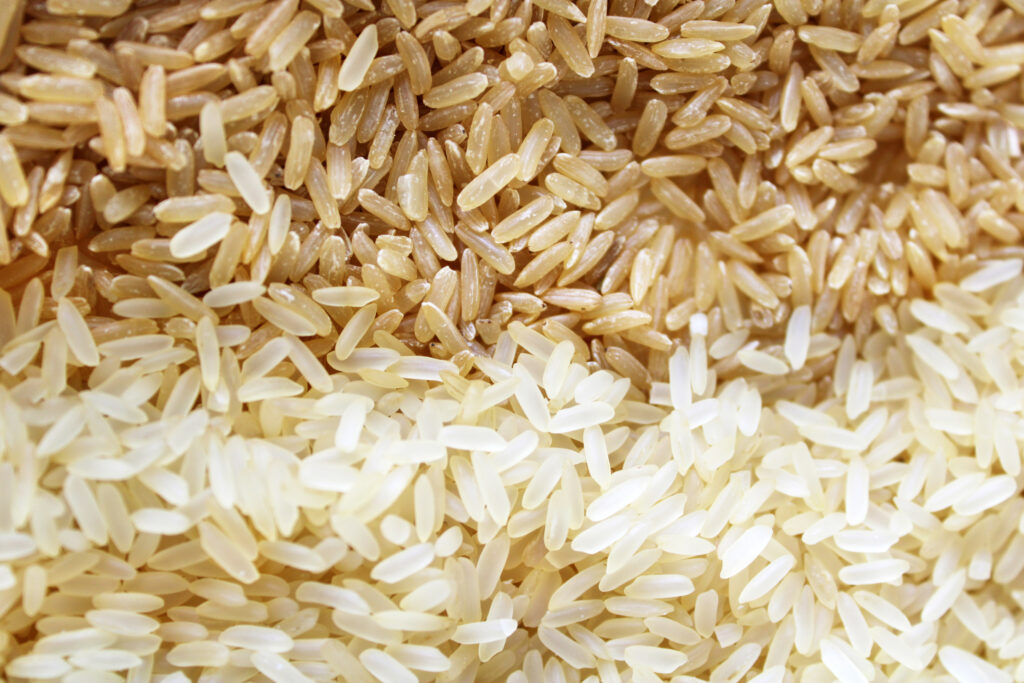
3. Choose Whole Grains for Longer-Lasting Energy
Instead of refined carbs, try using these options for more balance in your meals and snacks:
- Whole grain breads and wraps
- Brown rice, quinoa, or cauliflower rice
- Whole grain or legume-based pasta, such as chickpea pasta
Why it works:
Whole grains are rich in fiber, which slows the absorption of glucose and prevents rapid rises in your blood sugar. This steady energy release is especially useful in the workplace, and it can help avoid the sluggishness that often follows refined-carb-heavy meals. Goodbye after-lunch slump! Whole grains also support better digestion and heart health by reducing cholesterol levels and lowering your blood pressure. We love to include these options as part of our cooking demonstrations to show how easy they are to substitute. We pair this with education around the benefits of fiber for improved focus and long-term wellness for employees.
4. Enhance Snacks with Better Options
Make sure to pick nutrient-rich snacks in place of sugary or salty choices. For a healthier alternative to chocolate bars and chips, try:
- A handful of nuts or seeds. These are perfect for when you need the crunch without the oil and salt of chips.
- Fresh fruit with nut butter, like apple slices and peanut butter. Choosing these as something sweet-yet-balanced is a great alternative to candy.
- Greek yogurt with berries instead of sugary desserts, meaning that you still get a treat, but with minimally-processed ingredients and tons of vitamins and antioxidants from the fruit.
- Healthier baked goods that use ingredients like oats (or oat flour), Greek yogurt, and dark chocolate.
Why it works:
Nutrient-dense snacks provide protein, fiber, and healthy fats that promote satiety and prevent overindulging. These foods help stabilize blood sugar, which is important for staying energized and focused during long workdays. Greek yogurt, in particular, packs a powerful punch of protein and probiotics for supporting gut health, while nuts and seeds provide heart-healthy fats and minerals like magnesium, which may help regulate blood pressure. For workplaces, offering these snacks as part of your workplace wellness programs supports both immediate productivity and long-term health.
5. Boost Veggie Intake in Creative Ways
Incorporate more vegetables into everyday meals with easy swaps:
- Spiralized veggies or veggie noodles in place of traditional pasta.
- Cauliflower rice or blended vegetables added to dishes, for a nutritional boost.
- Smoothies with hidden greens or vegetables, for an easy way to add extra vitamins.
Why it works:
Vegetables are naturally high in fiber, vitamins, and minerals, and most are low on the glycemic index. This means that they support blood sugar stability, digestion, and a steady flow of energy throughout the day. Increasing your vegetable intake can also help reduce cholesterol and blood pressure, while promoting fullness due to the high fiber and water content. These swaps are easy to incorporate into everyday meals and are a great focus for cooking demonstrations or wellness challenges aimed at improving health and well-being. For optimal health, try to have your veggies fill half of your plate at mealtimes.

Bringing These Swaps into Your Workplace
These five food swaps make it easier to integrate health into your workday, whether you're bringing lunch from home or focusing on nutrition as part of your employee wellbeing programs. For expert-led help, our lunch-and-learn events, nutrition sessions, cooking demonstrations, and guided wellness challenges help to provide teams with approachable ways to improve their health and well-being.
For an even greater impact, consider combining our hands-on healthy cooking demonstrations with our yoga classes, chair massage sessions, chiropractic services or a visit from our therapy dogs. We'll work with you to create a strong foundation for your employees' health and well-being, for better workplace wellness overall.