
How HR Can Build a Supportive, Compliant Workplace Recovery Program
Supporting employees through addiction recovery is an important part of creating a healthy workplace. Organizations that combine clear policies, compassionate leadership, and accessible wellbeing resources can help employees seek support while maintaining workplace safety and performance.
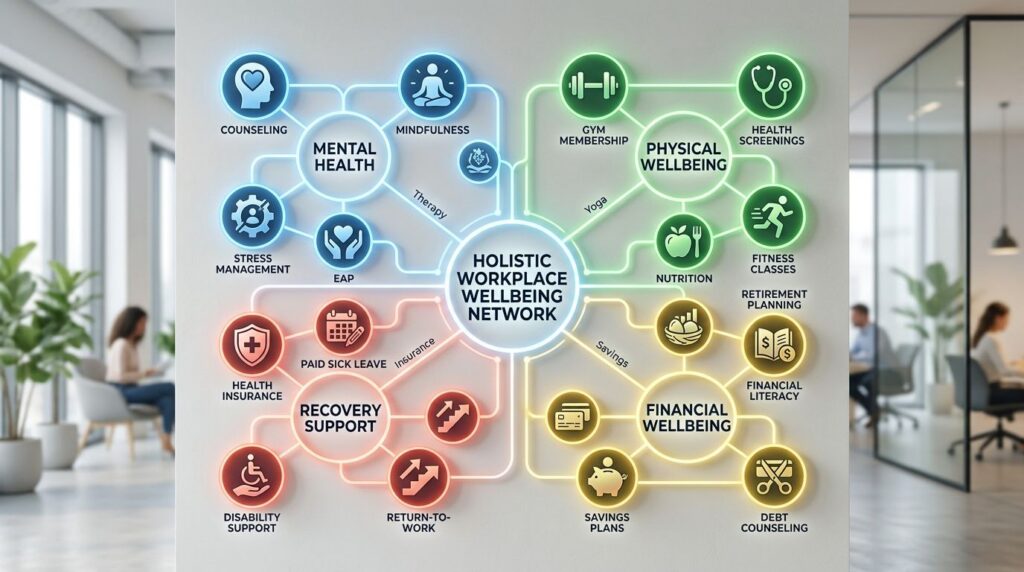
Recovery support is most effective when it is part of an overall employee wellbeing strategy rather than a standalone initiative.

Why Workplace Recovery Support Matters
Employees experiencing substance use challenges may first show changes in attendance, performance, communication, or engagement.
Organizations that respond early can:
- Support employee wellbeing
- Reduce workplace disruption
- Improve retention
- Strengthen manager confidence
- Encourage employees to seek help sooner
A supportive workplace benefits both employees and the organization.
Build a Clear Workplace Policy
A workplace policy should clearly explain:
- How employees can request support
- Available wellbeing resources
- Manager responsibilities
- Confidentiality expectations
- Return-to-work procedures
- Workplace safety standards
Employees should understand where to go for help before a crisis occurs.
Train Managers to Respond Appropriately
Managers play an important role in recognizing workplace concerns.
Training should focus on:
- Addressing observable work performance
- Having respectful conversations
- Avoiding assumptions or diagnoses
- Referring employees to appropriate resources
- Documenting workplace concerns appropriately
Managers should support employees while remaining focused on workplace responsibilities.

Offer Multiple Support Resources
Recovery needs vary from person to person.
Organizations may provide access to:
- Employee Assistance Programs (EAPs)
- Mental wellbeing resources
- Counseling referrals
- Educational programs
- Peer support opportunities
- Leave and return-to-work planning
Providing multiple options allows employees to access support that fits their individual needs.
Coordinate Recovery with Employee Wellbeing
Recovery support works best when connected with broader wellbeing initiatives.
Examples include:
- Stress management workshops
- Mental wellbeing education
- Physical activity programs
- Nutrition education
- Flexible return-to-work planning
- Manager support training
An integrated approach helps employees navigate available resources more easily.
Protect Employee Privacy
Confidentiality is essential to building trust.
Organizations should clearly communicate:
- What information remains confidential
- Who has access to information
- When information must be shared for workplace safety or legal reasons
- How employee records are protected
Employees are more likely to seek help when they understand how their information will be handled.
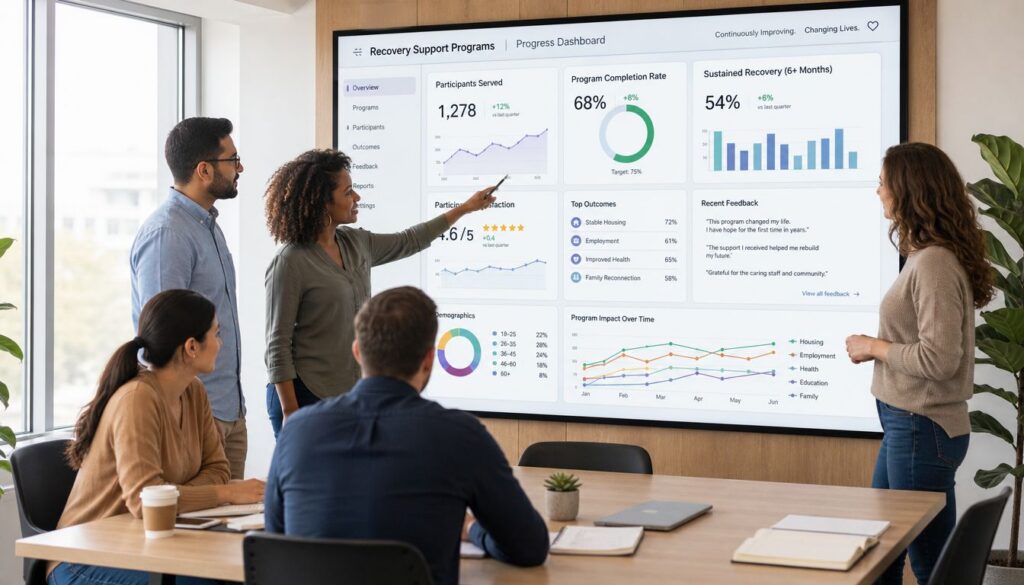
Measure Program Success
Organizations should evaluate recovery support programs by reviewing:
- Employee awareness
- Resource utilization
- Manager training completion
- Employee feedback
- Return-to-work success
- Retention trends
- Workplace engagement
Regular evaluation helps organizations improve support over time.
Create a Supportive Workplace Culture
A positive workplace culture encourages employees to seek help early without fear of unnecessary stigma.
Leaders can support this culture by:
- Promoting respectful communication
- Encouraging manager training
- Providing accessible wellbeing resources
- Supporting healthy work-life balance
- Reinforcing employee wellbeing as part of organizational success
Final Thoughts
Workplace addiction recovery support is strongest when it combines clear policies, compassionate leadership, employee wellbeing resources, and ongoing manager education.
Organizations that build supportive systems can create a healthier workplace while helping employees remain engaged, productive, and connected throughout their recovery journey.
Excel Wellbeing Solutions partners with organizations to strengthen workplace wellbeing through educational seminars, stress management workshops, mental wellbeing education, nutrition guidance, ergonomic assessments, fitness programs, and employee support initiatives designed to promote healthier, more resilient workplaces.