

How Better Workplace Lighting Supports Employee Focus, Energy, and Performance
Lighting influences more than how a workspace looks—it affects how employees feel and perform throughout the workday. While many organizations invest in workplace wellbeing initiatives, lighting is often overlooked as a simple environmental factor that can support employee focus, energy, and overall workplace experience.
Research has shown that employees with greater access to natural daylight often experience better sleep and higher daytime alertness than those working in windowless environments. Combined with thoughtful artificial lighting, workplace design can help create a more comfortable and productive atmosphere.
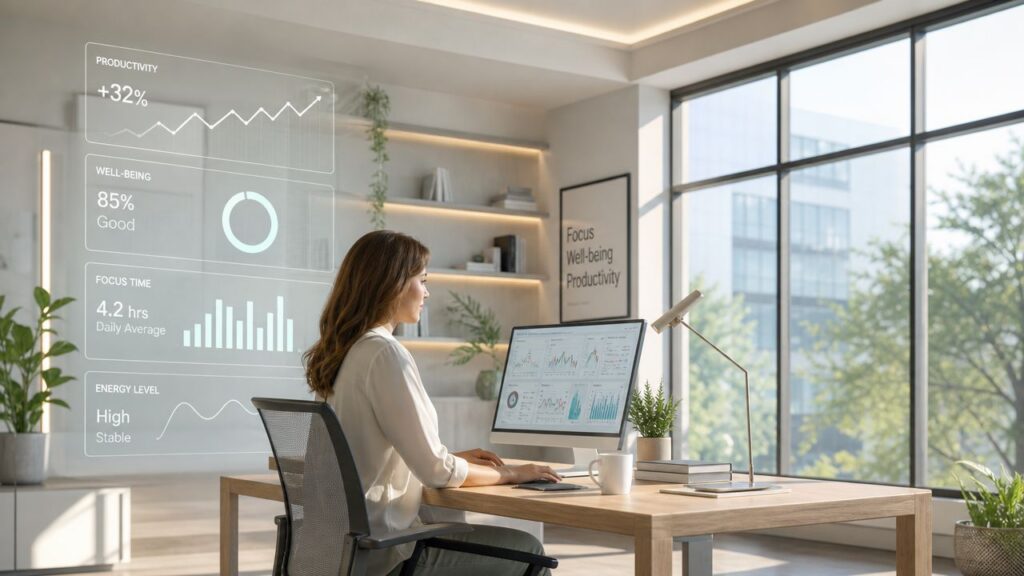
Why Lighting Matters in the Workplace
Lighting impacts employees every hour they're at work. Poor lighting can contribute to eye strain, afternoon fatigue, and difficulty concentrating, while well-designed lighting helps create an environment that supports sustained performance.
Organizations frequently invest in wellness programs, training, and employee engagement initiatives. Optimizing the physical workspace—including lighting—can complement those efforts by making the workplace more comfortable throughout the day.
Rather than viewing lighting as simply a facilities concern, forward-thinking organizations recognize it as part of the overall employee experience.
How Light Affects Daily Performance
Our bodies naturally respond to changes in light throughout the day.
Brighter, cooler light during the morning and early afternoon can help employees remain alert and engaged, while warmer lighting later in the day creates a more comfortable environment as work winds down.
This doesn't require complex technology in every office. Even simple improvements—such as maximizing daylight, reducing glare, and selecting appropriate lighting for different workspaces—can make a noticeable difference.
Benefits of Better Workplace Lighting
Organizations that evaluate their lighting environment often report improvements in several areas:
- Increased employee comfort
- Better daytime focus and concentration
- Reduced visual fatigue
- Improved workplace satisfaction
- More consistent energy throughout the day
While lighting alone won't solve every workplace challenge, it supports many of the same goals organizations pursue through broader wellbeing initiatives.
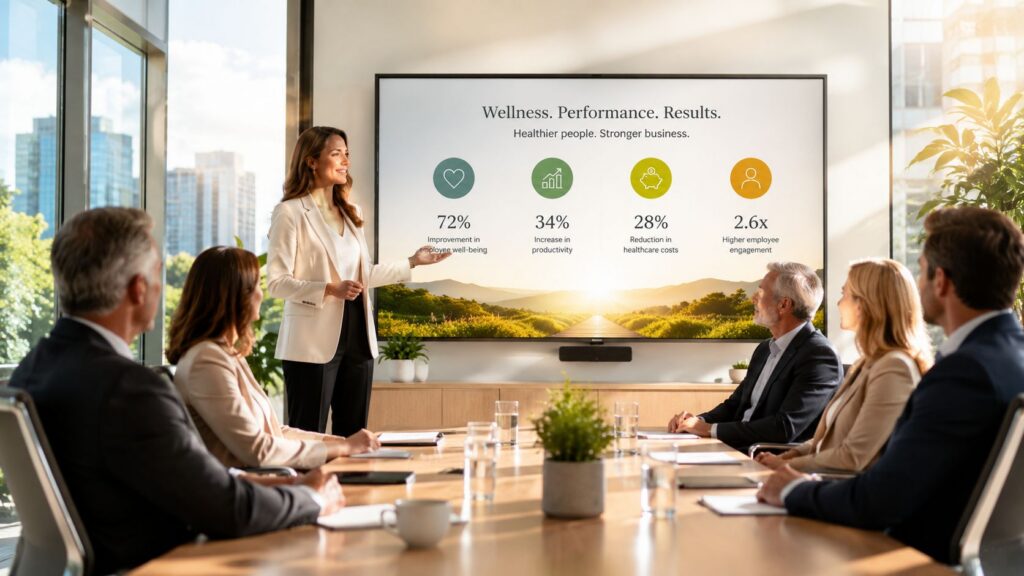
Practical Ways to Improve Workplace Lighting
You don't need a complete renovation to make meaningful improvements. Start with a simple assessment of your workspace.
Consider questions such as:
- Do employees have access to natural daylight?
- Are there areas with excessive glare?
- Are conference rooms, workstations, and collaborative spaces appropriately lit for their purpose?
- Do employees frequently report eye strain or afternoon fatigue?
Small changes—such as adjusting workstation placement, improving task lighting, or upgrading outdated fixtures—can significantly improve the employee experience.
Creating a Lighting Strategy
For organizations planning larger workplace improvements, a structured approach can help.
Assess the Current Environment
Evaluate workspaces, employee feedback, and existing lighting conditions to identify opportunities for improvement.
Prioritize Employee Comfort
Focus on reducing glare, improving visibility, and creating comfortable work environments that support different types of work.
Balance Natural and Artificial Light
Whenever possible, maximize daylight while using artificial lighting to provide consistent illumination throughout the day.
Measure Results
After improvements are made, gather employee feedback and monitor workspace satisfaction to determine what's working well and where additional adjustments may be helpful.
Making the Business Case
Leaders often think about lighting in terms of energy efficiency or building maintenance. However, lighting also contributes to the overall workplace experience.
A well-designed environment can support:
- Employee engagement
- Workplace satisfaction
- Concentration during core work hours
- Recruitment and retention efforts
- Overall wellbeing initiatives
When organizations invest in both their people and their work environment, employees benefit from a workplace designed to support success.
Final Thoughts
Lighting is one of the simplest workplace factors to overlook, yet it influences employees every day. By evaluating natural light, improving visual comfort, and making thoughtful lighting decisions, organizations can create spaces that better support focus, collaboration, and productivity.
Creating a positive workplace experience isn't only about programs and policies—it's also about designing environments where employees can do their best work.
If your organization is looking for practical ways to strengthen workplace wellbeing, Excel Wellbeing Solutions can help you develop strategies that support employee engagement, workplace performance, and a healthier work environment.