
Employers keep funding wellness because the upside can be material. Lower claims trend, fewer avoidable absences, stronger retention, and earlier identification of health risks all matter to a CFO. The problem is that many programs still rely on incentive designs that generate short-term activity without producing durable behavior change or a defensible return.
At enterprise scale, incentive strategy is less about enthusiasm and more about architecture. The right mix has to fit the workforce, the budget, and the compliance framework. It also has to hold up under scrutiny from finance, legal, operations, and employee relations. A $25 gift card may lift participation in one population. In another, schedule flexibility or premium differentials will do more work at a lower cost per engaged employee.
Poor design creates predictable problems. Higher earners can absorb payroll timing and out-of-pocket costs more easily than lower-wage employees. Onsite workers and shift-based teams often have less access than corporate staff. Incentives tied too closely to outcomes can raise ACA and HIPAA concerns, especially when reasonable alternatives and privacy controls are weak.
That is why the strongest programs use a portfolio approach. Some incentives reduce friction. Some reward preventive action. Some support culture and peer accountability. Some identify risk early enough to change cost trajectories. The job is to choose a balanced set, then match each one to a business objective, a target population, and a measurable KPI.
Technology matters here, but only if it supports execution. Teams evaluating digital employee health and wellness platforms should look past feature lists and focus on enrollment friction, privacy controls, reporting quality, and the ability to segment by work pattern, location, and eligibility group.
The sections that follow focus on enterprise-ready incentives that can stand up to scale. Each option includes trade-offs in cost, equity, administration, and measurable impact. That is the standard senior leaders need. Not a wellness catalog, but a framework finance can defend, legal can approve, and managers can run.
1. Gamification and Wellness Challenges
Gamification works best when it lowers the activation barrier. Employees don't need another complicated platform or a leaderboard built for marathoners. They need an easy first action, a visible reward loop, and challenge options that include movement, sleep, stress management, hydration, preventive care, and learning.
The most effective enterprise challenges also avoid making fitness the only definition of wellness. A points system can reward attending a mindfulness session, completing a preventive visit, joining a team walking challenge, or finishing a nutrition workshop. That matters because broad participation beats narrow intensity in most company-wide programs.
A digital platform usually makes or breaks the experience. Teams evaluating digital employee health and wellness platforms should prioritize simple enrollment, privacy controls, mobile usability, and manager dashboards that show engagement trends without exposing personal health data.
What makes challenge design work
A challenge needs enough structure to feel real and enough flexibility to feel fair. Monthly resets help, but constant novelty isn't the point. Repeatable habits are.
- Offer multiple paths to win: Let employees earn recognition through activity, education, screenings, or consistent participation.
- Use team scoring carefully: Team formats build community, but they shouldn't pressure people to disclose health details.
- Keep thresholds achievable: If the first reward requires elite effort, most employees will quit before week two.
Practical rule: Reward streaks and completion, not just top performance.
The biggest mistake is overengineering. If employees need a policy memo to understand the rules, the challenge is too complex. The second biggest mistake is treating gamification as a standalone strategy. It performs better when paired with time off, subsidized services, or a financial incentive that gives the activity real weight.
2. Financial Incentives and Premium Reductions
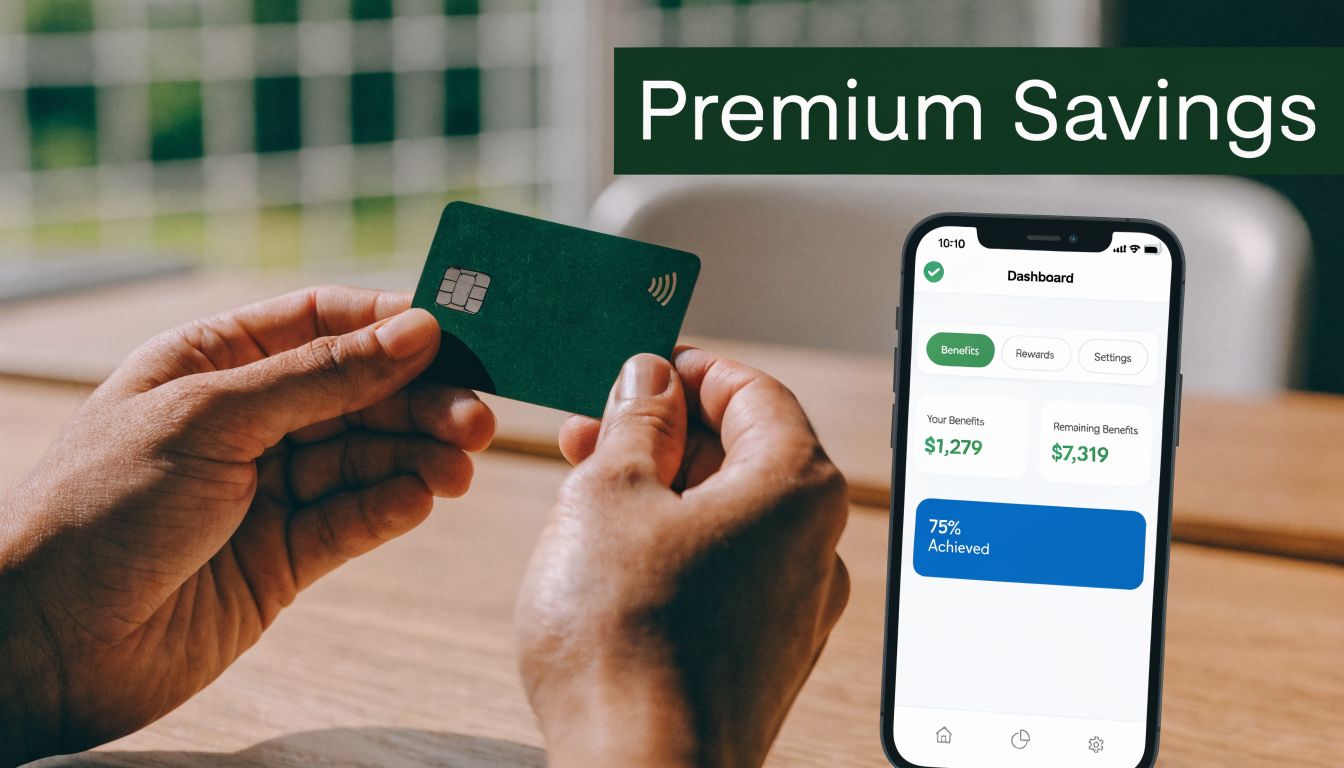
Financial incentives get attention because they change what employees pay, not just what HR promotes. Under ACA and related wellness rules, employers can tie a meaningful share of coverage cost to qualified wellness incentives, with higher limits for tobacco cessation. For large employers, that creates real room to structure premium differentials, HSA or HRA contributions, and cash rewards without turning the program into a legal risk by accident.
The strategic question is not whether money influences participation. It does. The key question is which financial design produces broad uptake, survives compliance review, and holds up under employee scrutiny.
In practice, participation-based incentives usually travel better across enterprise populations than outcome-based designs. They are easier to explain during open enrollment, easier to administer across multiple carriers or payroll systems, and less likely to penalize employees for factors they cannot fully control. Outcome-based incentives can have a place, but only when the employer also offers a reasonable alternative standard, documents the process clearly, and funds enough support to make the target attainable.
Budget discipline matters here. A $25 gift card may lift short-term activity, but it rarely changes perception of the benefits package. A premium reduction or HSA contribution often lands better because employees see the value in a recurring bill or a health account they already use. That is one reason many HR teams now frame wellness incentives as part of a broader package of wellness benefits employees actually want, not as a stand-alone campaign.
A second design choice deserves more attention than it usually gets. Decide early whether the incentive is framed as a gain or as avoiding a loss. Surcharge models can drive faster response, especially for tobacco programs, but they also create more employee relations friction and more appeals. Reward models cost more on paper, yet they are often easier to defend internally because the communication feels less punitive.
How to structure financial incentives without creating avoidable problems
Enterprise programs work better when finance, legal, benefits, and employee relations agree on the design before launch. The common failure point is not the reward amount. It is misalignment between the incentive, the plan rules, and the employee experience.
- Start with completion-based rewards: Annual physicals, preventive screenings, coaching enrollment, or program milestones usually produce wider participation than biometric targets alone.
- Set one clear value: If employees need a calculator to understand the reward, response rates drop.
- Offer reasonable alternatives: HIPAA rules require a compliant path for employees who cannot meet a health-contingent standard because of a medical condition.
- Segment by workforce realities: Premium credits may appeal to salaried populations. Cash payouts or account contributions often work better for hourly, part-time, or distributed teams.
- Track more than participation: Measure completion rates, claims trends, preventive care uptake, employee sentiment, and appeal volume. A program that boosts sign-ups but increases complaints or inequity is not performing well.
The trade-off is straightforward. Larger incentives can lift response, but they also increase scrutiny around fairness, privacy, and coercion. Strong programs account for that from the start, with legal review, plain-language communications, and KPI reporting that a CFO and CHRO can both use.
3. Flexible Work Arrangements and Time-Off Benefits
Some incentives don't need a payment line item to be valuable. Time is often the scarcest resource in any wellness strategy. If employees can't attend a screening, book a counseling session, or take a mid-day fitness class without feeling they're falling behind, the program is decorative.
That's why schedule flexibility can outperform smaller cash rewards for many populations. A wellness hour, protected appointment time, or a few extra hours of paid leave tied to participation can make a program usable for caregivers, field teams, and employees with long commutes. It also signals that the organization sees wellness as part of work life, not something employees should squeeze in after hours.
This is especially effective in high-growth organizations where burnout risk rises before the benefits strategy catches up. Companies that want employees to use wellness benefits need managers to support calendar protection in practice, not just in policy.
The employee value proposition is clearer when these benefits sit alongside wellness benefits that employees actually want, rather than token perks with no operational backing.
The hidden operational test
Flexible wellness incentives fail when line managers absorb all the coverage burden. They also fail when only office-based staff can use them.
Give people permission on paper, and managers decide whether it's real.
A workable model usually includes three guardrails:
- Define approved uses: Preventive appointments, therapy sessions, classes, recovery time, and health education should be covered explicitly.
- Protect frontline fairness: Offer shift-swapping support, rotating access, or equivalent options for hourly teams.
- Track utilization by function: If one department never uses the benefit, that's a management or access problem, not an employee interest problem.
The trade-off is operational complexity. Time-based incentives are harder to budget than a simple gift card. But they often produce deeper trust because employees experience them as support rather than surveillance.
4. Subsidized and Onsite Wellness Services
Onsite and subsidized services solve a problem that incentive design alone can't fix. People skip healthy activities for ordinary reasons. The gym is too far away. The counseling provider is booked. The class is at the wrong time. The copay feels annoying enough to postpone. Bringing services closer to the workday removes friction in a way a poster campaign never will.
This category includes onsite fitness classes, massage therapy, nutrition counseling, mental health talks, and access to bookable sessions through a vetted provider network. For employers with large campuses, multi-tenant office environments, or concentrated regional hubs, it can become the most visible proof that wellness is operational, not rhetorical.
The strongest version of this approach starts with usage patterns, not executive preferences. If a workforce is stressed and sedentary, a weekly yoga class and short-form coaching may get more traction than a heavily branded resilience app nobody opens. If musculoskeletal complaints are common, onsite mobility sessions or recovery services may land better than another awareness month.
Where subsidized services beat cash rewards
Cash can motivate sign-up. Access drives follow-through.
When employers cover part or all of the cost of high-demand services, participation feels easier and more immediate. This is especially true when booking is simple, sessions happen onsite or nearby, and employees don't need to sort through a fragmented vendor list to use the benefit.
- Start with visible demand: Fitness classes, mental health resources, and nutrition support usually create broad appeal.
- Match delivery to the workplace: Office towers, manufacturing sites, and hybrid teams need different service models.
- Promote repeatedly: Good services fail when launch communication is the only communication.
A service-based strategy also gives facilities and workplace leaders a bigger role. Wellness stops being only an HR benefit and becomes part of how the workplace performs.
5. Health Screening and Biometric Testing Incentives
Screening participation usually drops fast when employees see no clear benefit and too much perceived risk. The incentive has to offset that friction without creating legal or cultural problems for the employer.
Health screening and biometric testing incentives work best as part of an enterprise benefits strategy, not as a one-day event. Used well, they help identify risk earlier, direct employees into the right support channels, and give HR and finance teams a better view of where claims pressure may build. Used poorly, they create privacy concerns, low trust, and a pile of data with no operational plan behind it.
As noted earlier, research has shown that financial incentives can increase screening participation. That matters at scale because low completion rates weaken the business case. If only a small share of the population participates, the employer still absorbs vendor, communication, and administrative costs without getting enough insight to guide program decisions.
Convenience usually drives more participation than messaging. Onsite events, short appointment windows, mobile access for distributed teams, confidential result delivery, and an immediate referral path all matter more than a polished campaign theme.
Privacy, legal guardrails, and follow-through determine whether the program works
Employees participate when they trust the process and understand what happens next.
That trust is operational. Employers should receive aggregate reporting only. Individual results should stay with the employee and the clinical provider or screening partner. Program design also needs to stay inside ACA and HIPAA wellness rules, especially if incentives are tied to health-contingent outcomes rather than simple participation. In practice, that means legal review up front, clear reasonable alternative standards where required, and plain-language notices that employees can understand without reading policy footnotes.
A screening program also needs a post-results pathway before launch:
- Protect confidentiality: Limit employer reporting to population-level trends and suppress small-group data.
- Fund the next step: Coaching, primary care referrals, chronic condition support, or digital follow-up should already be in place.
- Set finance expectations correctly: Early detection can increase short-term utilization, including prescriptions and physician visits.
- Measure more than turnout: Track completion rate, referral uptake, coaching enrollment, and risk migration over time.
The ROI discussion needs discipline. Screening can improve population health strategy, but it does not create savings on its own. In some organizations, the near-term effect is higher utilization because people finally address unmanaged conditions. That is often a sign that the program is finding risk earlier, not that it failed.
For large employers, the better question is not whether screening lowers cost in quarter one. It is whether the incentive design produces enough participation, trust, and follow-through to improve risk identification and direct spend toward the right interventions. That is the standard a C-suite audience should use.
6. Peer Support and Wellness Ambassador Programs
A wellness program feels more credible when employees see respected coworkers participating in it. Not executives on a launch video. Actual peers who understand the workload, the team culture, and the practical excuses people make for opting out.
That's why ambassador models work in large organizations. They distribute energy across departments, localize communication, and make wellness feel less like an HR broadcast. They also help identify barriers early. If one plant, office, or business unit isn't engaging, ambassadors usually hear the actual reason long before the dashboard shows a problem.
This doesn't need to become a volunteer burden. The best programs define a small set of repeatable actions. Encourage registration. remind teams of key dates. host informal participation moments. surface feedback. connect employees to resources. That's enough to create momentum if the ambassadors are well chosen and visibly supported.
How to keep ambassadors effective
An ambassador network fails when leadership treats it as free labor. It also fails when every ambassador looks the same, sits in the same function, or already loves wellness.
Use a mixed model that includes frontline staff, managers, and support functions. Give ambassadors role clarity, modest recognition, and direct access to the program team so feedback moves quickly.
- Recruit for trust, not enthusiasm alone: The most credible ambassador may not be the loudest advocate.
- Equip them with tools: Short talking points, calendars, and referral paths beat motivational slogans.
- Rotate periodically: Fresh voices keep the network from becoming stale or cliquish.
Peer influence won't replace structural incentives. It amplifies them. A financial reward, onsite class, or screening campaign performs better when a trusted coworker explains why it's worth five minutes of action today.
7. Mental Health and Stress Management Incentives
Stress-related absence, presenteeism, and turnover rarely show up as one clean line item, but finance still feels the cost. That is why mental health incentives deserve a different design standard from step challenges or weight-loss contests. In enterprise settings, the goal is to reduce barriers to support, protect privacy, and build manager behavior that does not punish people for using the benefit.
A workable incentive menu includes rewards for completing a stress management course, attending a resilience workshop, starting a digital meditation program, or taking an initial counseling intake where confidentiality rules are clear. The prize itself can stay modest. The primary value comes from making the first action easier and safer.
This category also needs a broader ROI lens. Claims savings may matter over time, but executive teams usually see the case faster through retention, absence trends, disability risk, engagement, and manager burden. A workforce under sustained strain may still be present at work while making more errors, delaying decisions, and pulling back from collaboration.
Where enterprise programs break down
The common failure point is not benefit design alone. It is the gap between what the company offers and what employees believe is safe to use.
A mental health resource will underperform if it sits behind generic EAP messaging, vague privacy language, or supervisors who treat time for counseling as a performance issue. In large organizations, that gap widens fast across business units. One supportive leader can normalize use. One dismissive leader can shut it down for an entire team.
The stronger model treats mental health support as part of workforce risk management and employee experience, not as a side benefit tucked into open enrollment materials. That means visible sponsorship from senior leaders, plain-language confidentiality statements, and manager training that covers workload planning, escalation paths, and legal boundaries. It also means accepting a real trade-off. The more credible and private the program becomes, the less individual-level data HR will get. That is the right trade in most cases.
Use a few practical design rules:
- Reward entry points, not personal disclosures: Incentives should support education, registration, or initial use. They should never require employees to reveal a diagnosis or clinical detail.
- Keep privacy guardrails explicit: Employees need to know what the employer can see, what remains with the provider, and how ACA and HIPAA-related rules affect incentive design.
- Train managers to remove friction: If managers cannot respond well to stress leave, schedule adjustments, or resource questions, utilization will stay low no matter how good the benefit looks on paper.
- Measure at the portfolio level: Track utilization trends, absence patterns, engagement by population, and turnover risk. Avoid program designs that chase personal health data you do not need.
For large employers, this is where mental health incentives become more than a culture signal. They become an operating decision with compliance, equity, and productivity implications. Done well, they help employees get support early and help leadership assess whether the organization is reducing strain at scale.
A mental health incentive should feel safe, practical, and worth using in a real workweek.
8. Family and Dependent Health Programs
Wellness doesn't stop at the employee badge. When a spouse has a health issue, when a child needs care, or when a household is trying to change habits together, the employee feels the operational and emotional impact at work. That's why family-oriented incentives can produce better engagement than employee-only designs.
This can include family challenge access, dependent education resources, spouse screening participation where plan design allows it, or household-oriented classes on nutrition, movement, and stress management. The practical benefit is relevance. Employees are more likely to engage when the program helps the people they care for, not just the person on payroll.
For employers, this also shifts the tone of the program. It feels less like compliance and more like support. That can matter in retention conversations, especially for mid-career talent balancing work and caregiving.
The equity issue leaders shouldn't ignore
Family incentives become messy if they assume every employee has the same household structure, schedule flexibility, or privacy comfort level. They can also unintentionally favor employees with more predictable work hours.
A smart design uses inclusive language, flexible scheduling, and optional participation modes that don't force disclosure. It also avoids tying a household reward to outcomes that some families can't realistically pursue on the same timeline.
Household wellness can deepen engagement, but only if the program respects privacy and different family realities.
The strongest enterprise versions usually anchor around access. Family-friendly class times. easy registration. clear definitions of eligible dependents. practical communication that explains what support exists and how to use it. That approach builds goodwill without turning family health into an administrative maze.
9. Professional Development and Wellness Certification Incentives
Some organizations overlook one of the most durable incentives available. Career growth. When employees can build skills in coaching, mental health awareness, resilience facilitation, or related wellness disciplines, participation stops being just a personal benefit and starts becoming a professional asset.
This works especially well in culture-forward companies and large employers building internal champion networks. A reimbursement policy, learning stipend, or funded pathway for selected employees can strengthen both engagement and internal capability. It also creates more knowledgeable managers and peer advocates over time.
The caution is role clarity. If employees earn wellness-related training and the organization never uses that capability, the incentive becomes a disconnected perk. The program needs a plan for how trained employees contribute, whether through ambassador roles, event facilitation, employee resource groups, or local wellness committees.
When development incentives create strategic value
This incentive performs best when linked to a broader operating model. HR, employee experience, and workplace teams should know why the organization is funding training and what business problem it supports.
- Tie learning to real responsibilities: New skills should connect to ambassador work, coaching support, or program operations.
- Use selective sponsorship: Not every certification needs company funding.
- Recognize the achievement publicly: Internal visibility helps legitimize the effort.
There's also a retention angle. Employees often stay more engaged when the company invests in them beyond immediate job output. Wellness-related development can reinforce a culture that values people as contributors to organizational health, not just consumers of a benefit.
10. Sustainability and Corporate Social Responsibility Wellness Incentives
This category works when company values already shape employee behavior. It usually falls flat when leaders try to bolt social purpose onto a weak wellness program and hope the narrative does the work.
The strong version connects healthy behavior with environmental or community benefit. Walking or cycling initiatives, volunteer activities tied to community health, green commuting support, or wellness days connected to local service can all create a more meaningful participation story. Employees who are motivated by purpose often respond well when wellness isn't framed only as a personal optimization project.
This approach is especially useful in organizations with strong ESG or CSR commitments. It lets HR and workplace leaders align internal wellbeing with the broader employer brand, rather than running separate initiatives that compete for attention.
Keep the connection concrete
Employees need to see a credible link between the activity and the value statement. If the company promotes sustainability but makes participation impractical, the incentive will read as performative.
One way to ground this strategy is to align it with the practical infrastructure of work. Commuting support, walkable campuses, outdoor programming, and volunteer time policies create real participation opportunities. A purpose-based message works better when the workplace itself supports the behavior.
- Start with simple participation actions: Walking meetings, active commutes, volunteer wellness events.
- Coordinate across functions: HR, facilities, and communications should present one consistent message.
- Avoid symbolism without support: Employees notice when branding outpaces operational reality.
This won't replace financial incentives or screenings. It broadens the program's appeal by giving another group of employees a reason to engage.
10-Point Comparison of Health & Wellness Incentives
| Program | Implementation complexity | Resource requirements | Expected outcomes | Ideal use cases | Key advantages |
|---|---|---|---|---|---|
| Gamification and Wellness Challenges | Medium, platform setup and ongoing content updates | Mobile app/platform, minor rewards, program manager time | Higher participation and engagement; measurable activity metrics | Large orgs aiming to boost engagement and culture | Scalable engagement; community building; low per-employee cost |
| Financial Incentives and Premium Reductions | High, benefits integration and legal compliance | Budget for incentives, benefits admin, legal/compliance support | Strong short-term participation; potential long-term cost savings | Employers with flexible insurance plans and large populations | Powerful financial motivation; measurable ROI |
| Flexible Work Arrangements and Time-Off Benefits | Medium–High, culture change and manager training | Manager training, scheduling tools, operational planning | Improved retention, reduced burnout, better work-life balance | Competitive talent markets and knowledge-worker teams | Highly valued by employees; reduces burnout; low direct cost |
| Subsidized and Onsite Wellness Services | High, capital, facilities and vendor management | Space, vendors, operating budget, scheduling systems | Increased access and satisfaction; preventive care uptake | Large, office-based employers with onsite capacity | Removes cost barriers; convenient services; measurable utilization |
| Health Screening and Biometric Testing Incentives | Medium, privacy and compliance requirements | Screening vendors, incentives, secure data handling | Early risk identification; data to tailor programs | Employers wanting targeted interventions and data-driven planning | Identifies at-risk employees; supports targeted interventions |
| Peer Support and Wellness Ambassador Programs | Medium, training and coordination effort | Training resources, modest incentives, internal coordination | Sustainable culture change; peer-led participation growth | Large enterprises seeking grassroots engagement | Cost-effective scaling; authentic peer advocacy |
| Mental Health and Stress Management Incentives | Medium, requires cultural normalization and provider access | Counseling budget, apps/subscriptions, manager training | Reduced absenteeism/presenteeism; improved wellbeing and retention | Organizations prioritizing mental health and performance | Directly addresses mental health; reduces stigma; improves productivity |
| Family and Dependent Health Programs | High, complex administration and privacy management | Extended benefits budget, program admin, dependent outreach | Increased household participation; broader wellbeing impact | Employers with many employees who have dependents | Expands impact to families; enhances family-friendly reputation |
| Professional Development and Wellness Certification Incentives | Medium, program design and tracking needed | Training budgets, mentorship, certification support | Builds internal expertise; long-term program quality improvement | Companies wanting internal wellness leadership and capability | Develops internal talent; reduces reliance on external vendors |
| Sustainability and CSR Wellness Incentives | Medium, cross-functional coordination required | Partnerships, modest incentives, impact measurement tools | Aligns wellness with ESG goals; engagement from values-driven staff | Purpose-driven firms and younger-demographic workforces | Connects wellness to social impact; enhances brand and pride |
Building a Strategic and Equitable Incentive Portfolio
Large employers often see strong launch numbers and weak long-term results because the incentive mix was built for convenience, not workforce reality.
The strongest incentives for health and wellness programs work best as a coordinated portfolio. Premium reductions can drive attention. Paid time and schedule flexibility make participation possible. Onsite or subsidized services reduce access barriers. Peer support increases trust. Mental health resources broaden the program beyond physical activity contests and screening targets.
That mix matters more at enterprise scale. A headquarters employee with calendar control responds to different incentives than a nurse on rotating shifts, a warehouse team member, a field technician, or a remote manager covering two time zones. One design will not produce fair uptake across those groups, and uneven uptake will show up later in participation gaps, weaker outcomes, and employee skepticism.
Legal design needs the same discipline as financial design. Under the ACA, premium-based incentives can be effective, but they require careful setup, reasonable alternatives where required, and communication employees can understand without legal translation. HIPAA raises a separate risk. If employees believe managers or business leaders can see personal health data, participation drops fast. Employers should limit reporting to aggregated participation data, define data access in writing, and train managers to keep wellness separate from performance management.
Equity deserves the same level of review as ROI. A study of large employers found that after financial incentives were introduced, Asians were 3% more likely to receive wellness rewards than whites, while African Americans were 3% less likely, according to the PubMed-indexed analysis of disparities in employer wellness incentives. For HR leaders, that is not a side issue. It is a design warning. A program can post healthy participation numbers and still distribute rewards unevenly across the workforce.
The practical response is better architecture. Participation-based incentives usually create a stronger starting point than outcome-based thresholds, especially for employers with wide variation in income, schedule control, language needs, disability status, and provider access. Alternative qualification paths matter. So do multilingual communications, mobile-friendly enrollment, and offerings outside standard business hours. If the only employees who can earn the reward are the ones with the most flexibility, the program is working for the employer on paper and against the workforce in practice.
Measurement should also mature in stages. In year one, track enrollment, completion, utilization, and reward attainment by business unit and workforce segment. Then review follow-through metrics such as preventive care use, coaching enrollment, absence trends, and retention patterns. Claims savings can matter, but treating every incentive as a short-term medical cost play leads executives to cut programs before behavior change has time to compound.
Budget discipline matters here.
A sustainable portfolio usually blends lower-cost participation incentives with a smaller set of higher-investment benefits tied to access and care delivery. That gives finance leaders room to control spend while HR tests what produces repeat engagement, not just first-click activity. It also gives the C-suite a clearer decision framework. Keep what improves participation across underserved groups, adjust what gets weak uptake, and remove tactics that create administrative burden without measurable value.
A mature dashboard separates engagement from behavior change. App logins, challenge sign-ups, and screening completions are early signals. Preventive follow-through, reduced absenteeism, lower presenteeism risk, and improved retention are stronger indicators of business impact. Nonparticipation data also deserves attention, because it often points to schedule barriers, trust problems, poor communication, or incentive designs that fit one employee population and exclude another.
For most employers, the better path is simple to state and harder to execute well. Audit current incentives for legal compliance, privacy controls, accessibility, and reward distribution by demographic and job group. Ask employees which rewards are worth their time, not just which programs they recognize. Then phase in a mix with clear budget owners, manager guardrails, and KPIs the executive team can review quarterly. That is how wellness becomes an operating strategy instead of a benefit category with inconsistent results.
Excel Wellbeing Solutions helps employers build wellness programs employees will use. Its services span onsite fitness classes, massage therapy, nutritional guidance, and mental health talks and resources, making it easier to pair smart incentives with real access and day-to-day support. Teams that want a more practical, enterprise-ready wellness strategy can explore Excel Wellbeing Solutions to design a program that fits workforce needs, workplace operations, and business goals.