
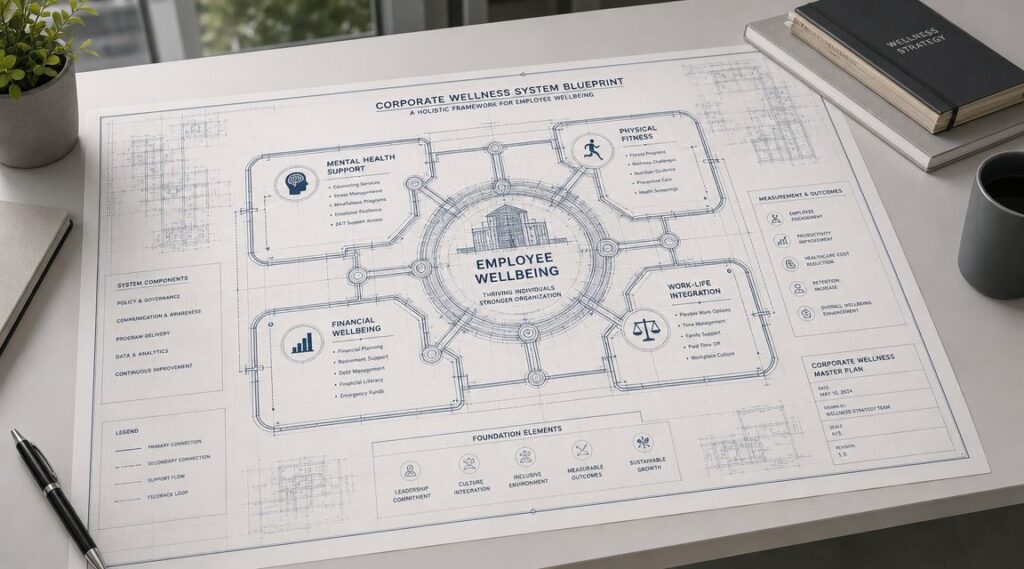
How Personalized Wellbeing Programs Improve Employee Engagement and Business Performance
Workforces are more diverse than ever. Employees may work remotely, in offices, on job sites, or across multiple shifts. As a result, organizations are moving away from one-size-fits-all wellness programs and toward customized corporate wellness strategies that better support employee needs.
A customized approach helps employers provide relevant resources while improving engagement, participation, and overall workforce wellbeing.
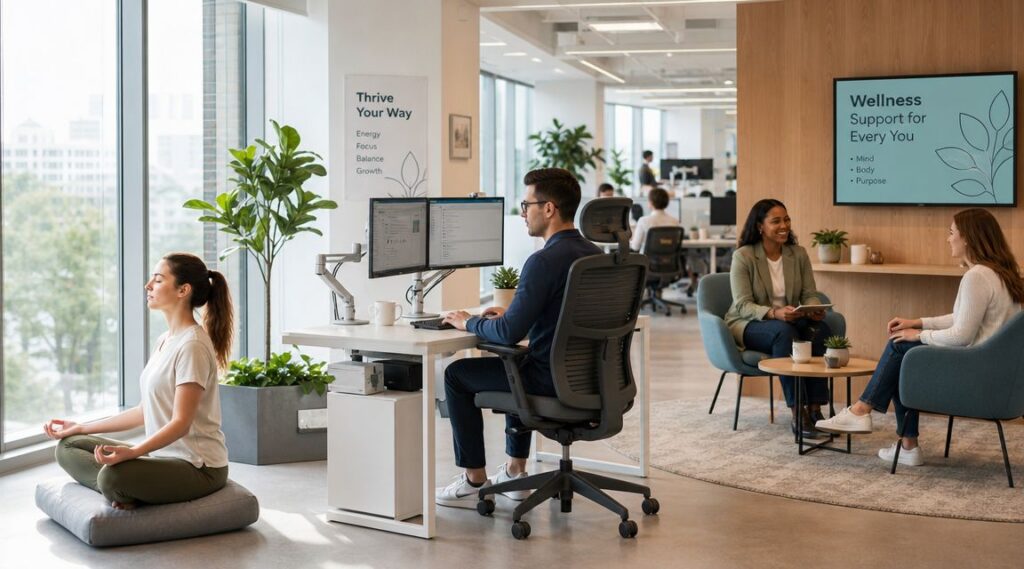
Why Customized Corporate Wellness Matters
Traditional wellness programs often offer the same resources to every employee regardless of role, location, or schedule. While well-intentioned, these programs may struggle to achieve meaningful participation.
Customized corporate wellness focuses on delivering the right support to the right employees in ways that fit how they work.
Benefits may include:
- Higher employee engagement
- Increased participation
- Improved employee experience
- Better workforce retention
- Stronger workplace culture
When employees can access resources that fit their needs, they are more likely to participate and benefit from the program.
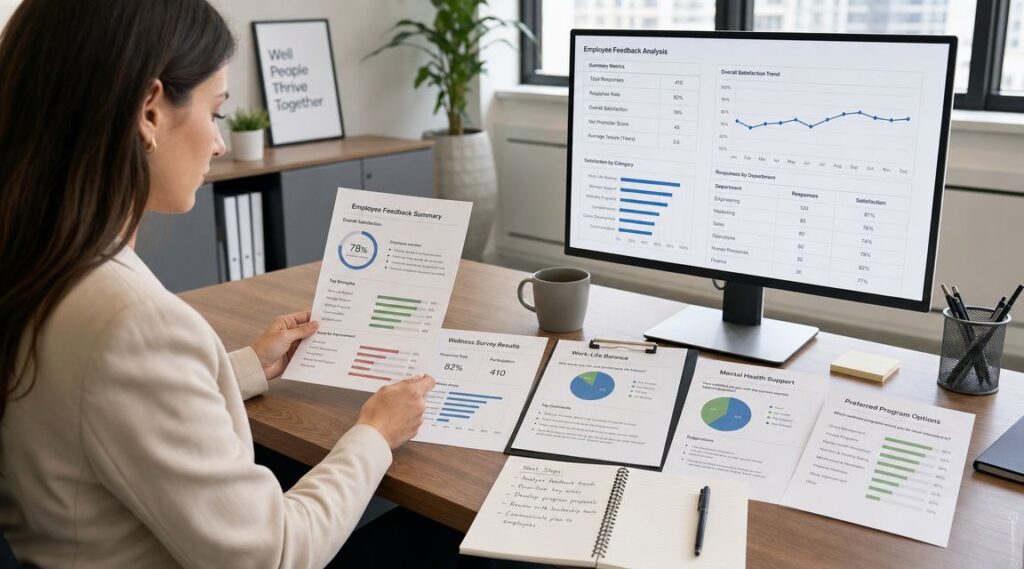
Start with Employee Needs
Successful wellness strategies begin by understanding the workforce.
Organizations should gather feedback through:
- Employee surveys
- Focus groups
- Manager discussions
- Workforce data and trends
Different employee groups often have different needs. Remote employees may value virtual resources, while onsite teams may prefer in-person opportunities. Understanding these differences helps organizations create programs employees will actually use.
Building a Customized Wellness Strategy
A strong program does not need dozens of services. It needs a thoughtful structure that aligns with employee needs and business goals.
Core Wellness Resources
Offer foundational resources available to all employees, such as:
- Educational workshops
- Wellness challenges
- Wellbeing resources
- Virtual learning opportunities
Flexible Delivery Options
Employees should have access to wellness opportunities in formats that fit their schedules.
Examples include:
- Onsite programs
- Virtual sessions
- On-demand resources
- Mobile-friendly content
Targeted Support
Some employee groups may benefit from specialized resources based on their work environment, schedules, or workforce challenges.
Providing targeted support helps improve relevance while making the most of wellness investments.
Choosing the Right Wellness Partner
Selecting a wellness provider is an important step in building a successful program.
Look for partners that can:
- Support multiple workforce types
- Offer flexible delivery methods
- Provide participation reporting
- Adapt programs to organizational needs
- Support both onsite and virtual engagement
The best wellness partners focus on helping organizations build sustainable programs rather than simply delivering isolated events.
Launching a Successful Program
Even well-designed programs need a strong rollout strategy.
Organizations can improve participation by:
- Communicating clearly and consistently
- Involving managers and leaders
- Making participation easy
- Offering multiple access points
- Gathering feedback after launch
Employees are more likely to engage when they understand the value of the program and can easily access available resources.
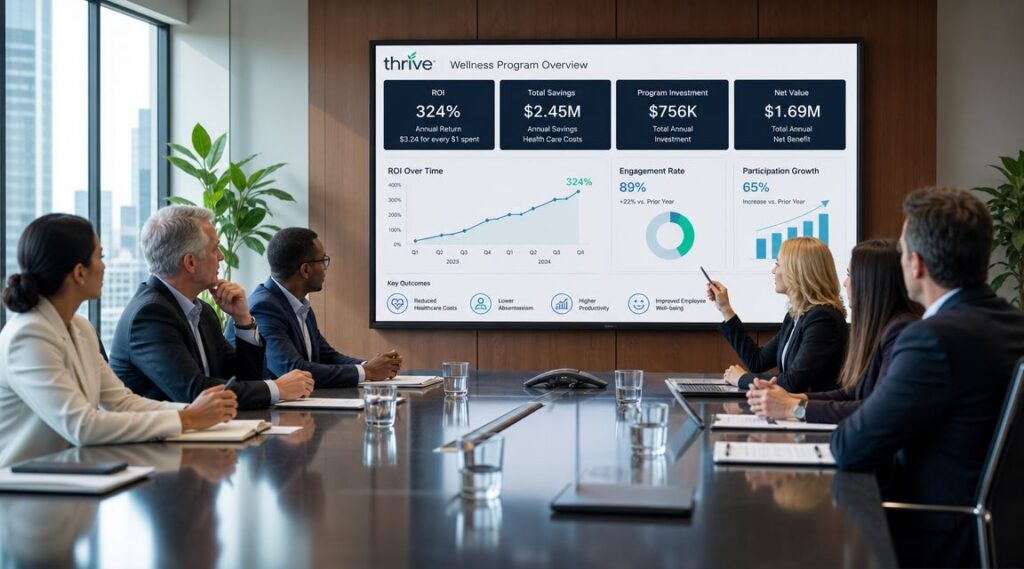
Measuring Success
Participation is important, but it is only one measure of success.
Organizations should also evaluate:
- Employee feedback
- Participation trends
- Engagement levels
- Retention trends
- Workplace satisfaction
Regular reviews help leaders understand what is working and where improvements can be made.
Final Thoughts
Customized corporate wellness is about creating programs that reflect the realities of today's workforce. By understanding employee needs, offering flexible options, and measuring results over time, organizations can build wellness strategies that support both employee wellbeing and organizational success.
Excel Wellbeing Solutions helps organizations create customized workplace wellbeing programs through onsite and virtual services designed to support engagement, participation, and workforce performance.