

Build a Workplace Where Healthy Choices Become Everyday Choices
Launching a wellness challenge is easy. Creating lasting healthy habits is much harder.
Many organizations invest in wellness apps, fitness challenges, health screenings, and educational campaigns only to see participation fade after a few weeks. Employees may sign up with enthusiasm, but without the right support, most eventually return to their previous routines.
The difference between a successful workplace wellness program and one that quietly fades isn't excitement—it's behavior change.
Organizations that understand how people develop lasting habits can build wellness initiatives that improve employee wellbeing, increase engagement, and create healthier workplace cultures for years to come.

What Is Health Behavior Change?
Health behavior change is the process of helping people develop healthier habits that become part of everyday life.
Instead of focusing on temporary motivation, behavior change focuses on creating routines that employees can realistically maintain.
Examples include:
- Taking regular walking breaks
- Choosing healthier lunch options
- Improving sleep habits
- Drinking more water throughout the day
- Managing workplace stress
- Participating in regular physical activity
The goal isn't perfection. It's helping employees make healthier choices consistently over time.
Why Awareness Alone Isn't Enough
Many workplace wellness programs focus heavily on education.
Employees receive newsletters.
They attend seminars.
They download wellness apps.
They watch webinars.
While education is valuable, knowledge alone rarely changes long-term behavior. People generally know that exercise, nutritious foods, adequate sleep, and stress management are important. The challenge is turning that knowledge into daily action.
Successful wellness programs remove obstacles that make healthy choices difficult while making positive behaviors easier to repeat. This shift—from simply informing employees to supporting lasting habits—is at the heart of effective health behavior change.
Remove Barriers Instead of Adding More Information
Sometimes employees don't need more advice—they need fewer obstacles.
For example:
- Busy schedules leave little time for exercise.
- Long meetings reduce opportunities to move.
- Limited healthy food options make nutritious eating more difficult.
- High workloads contribute to stress and burnout.
Rather than asking employees to simply "try harder," organizations can redesign the workplace to make healthier choices more accessible.
Examples include:
- Walking meetings
- Healthy cafeteria selections
- Flexible break schedules
- Onsite or virtual fitness classes
- Quiet spaces for stress reduction
- Wellness coaching
- Healthy snack options
Small environmental improvements often make healthy habits much easier to maintain.
Start with Small, Achievable Goals
One of the biggest mistakes wellness programs make is expecting employees to change everything at once.
Large lifestyle changes often feel overwhelming.
Instead, encourage employees to begin with manageable goals such as:
- Walking 15 minutes after lunch three days each week
- Drinking one additional bottle of water each day
- Preparing healthy lunches twice a week
- Going to bed 30 minutes earlier
- Stretching between meetings
Small successes build confidence.
As employees experience progress, they're more likely to continue building healthier habits.

Make Healthy Habits Easy to Repeat
Consistency is what creates lasting change.
Healthy behaviors become routines when they're simple, convenient, and easy to remember.
Organizations can encourage consistency by providing:
- Calendar reminders
- Wellness challenges
- Habit tracking tools
- Mobile wellness apps
- Peer support groups
- Manager encouragement
- Regular wellness check-ins
These simple systems help employees stay engaged without relying solely on willpower.
Accountability Encourages Long-Term Success
Employees are often more successful when they know someone is supporting their progress.
Accountability doesn't have to feel intimidating.
It can include:
- Wellness coaches
- Fitness instructors
- Managers who encourage healthy habits
- Team wellness challenges
- Small group activities
- Employee wellness ambassadors
Having someone celebrate milestones and offer encouragement helps maintain motivation during busy periods.
Create a Workplace Culture That Supports Wellbeing
Healthy habits flourish when wellness becomes part of the company culture rather than a once-a-year initiative.
Organizations can reinforce wellbeing by:
- Encouraging employees to take lunch breaks
- Supporting work-life balance
- Recognizing wellness achievements
- Offering flexible wellness activities
- Providing educational workshops
- Making physical activity accessible during the workday
When leadership models healthy behaviors, employees are more likely to participate and remain engaged.
A culture that consistently supports employee wellbeing often leads to healthier routines, stronger morale, and greater long-term participation.
Measure More Than Participation
Many wellness programs evaluate success by looking at participation numbers.
While enrollment and attendance are helpful metrics, they don't tell the full story.
A more meaningful approach is to measure whether healthy behaviors continue over time.
Organizations may consider tracking:
- Ongoing participation rates
- Habit consistency
- Employee feedback
- Wellness coaching engagement
- Stress management participation
- Fitness class attendance over several months
- Overall employee satisfaction
Looking beyond sign-ups helps determine whether wellness initiatives are creating lasting change rather than short-term excitement.
Encourage Progress, Not Perfection
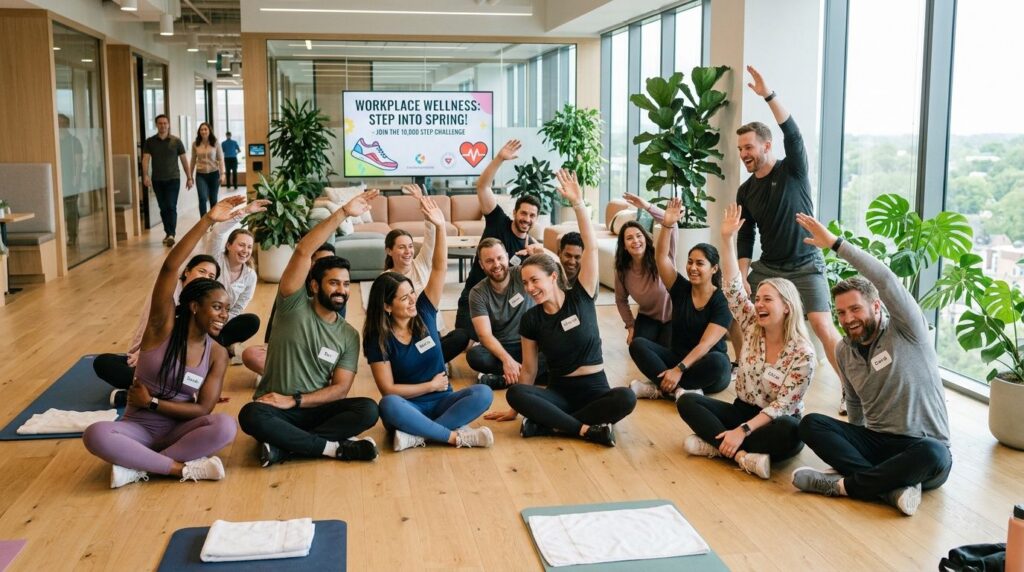
One of the most effective ways to support health behavior change is to create an environment where employees feel comfortable making gradual improvements.
Instead of expecting immediate transformation, celebrate steady progress.
Recognize milestones such as:
- Completing a wellness challenge
- Improving hydration habits
- Increasing daily movement
- Attending wellness seminars
- Building consistent exercise routines
Positive reinforcement helps employees stay motivated while reducing the pressure that often leads people to give up.
Supporting Long-Term Employee Wellbeing
Successful workplace wellness programs don't rely on motivation alone.
They focus on creating an environment where healthy choices become easier, more convenient, and more sustainable.
When organizations remove barriers, encourage small victories, provide ongoing support, and celebrate progress, employees are more likely to develop habits that improve their physical health, mental wellbeing, and overall quality of life.
These long-term changes can contribute to greater employee engagement, reduced absenteeism, improved morale, and a healthier workplace culture.
Final Thoughts
Health behavior change isn't about asking employees to be perfect—it's about helping them make healthier choices consistently over time. By building wellness programs around practical habits, supportive environments, and achievable goals, organizations can move beyond temporary participation and create lasting improvements in employee wellbeing.
Excel Wellbeing Solutions partners with organizations to develop workplace wellness programs that fit the realities of today's workforce. From onsite and virtual fitness classes to nutrition education, wellness coaching, stress management workshops, and employee engagement initiatives, our customized solutions help organizations build healthier cultures where positive habits can thrive every day.