
Helping HR Build Coordinated Support for Employees with Ongoing Health Conditions
Many organizations invest heavily in employee health benefits, yet employees living with chronic conditions often struggle to navigate appointments, medications, specialists, and ongoing care. This can lead to increased absences, reduced productivity, higher healthcare costs, and frustration for both employees and managers.
A well-designed chronic disease management program helps connect available resources into a coordinated system that supports employees while strengthening organizational performance.
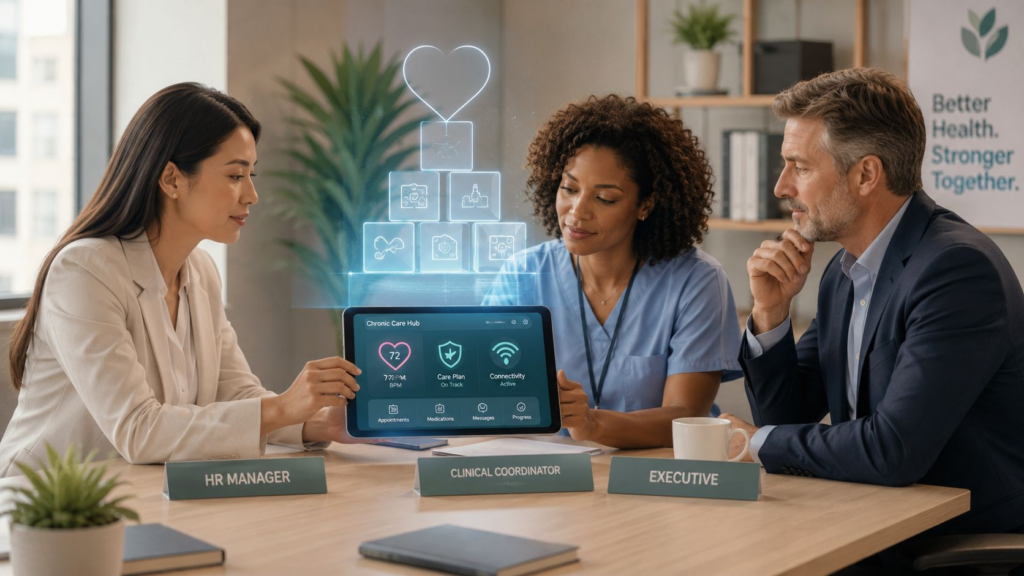
Why Chronic Disease Management Matters
Chronic conditions such as diabetes, heart disease, asthma, arthritis, and other long-term health concerns require ongoing management rather than one-time treatment.
For employers, effective support can contribute to:
- Improved employee wellbeing
- Better attendance
- Reduced workplace disruptions
- More consistent productivity
- Stronger engagement
- Better use of existing health benefits
Rather than reacting to health crises, organizations can help employees maintain better long-term health through coordinated support.
What Makes These Programs Different?
Traditional wellness initiatives often focus on general education and healthy lifestyle habits.
Chronic disease management programs go a step further by providing structured support that may include:
- Personalized care planning
- Ongoing coaching
- Coordination between healthcare providers
- Medication support
- Regular follow-up
- Access to appropriate health resources
The goal is to help employees manage existing conditions more effectively while reducing unnecessary complications.
Key Components of an Effective Program
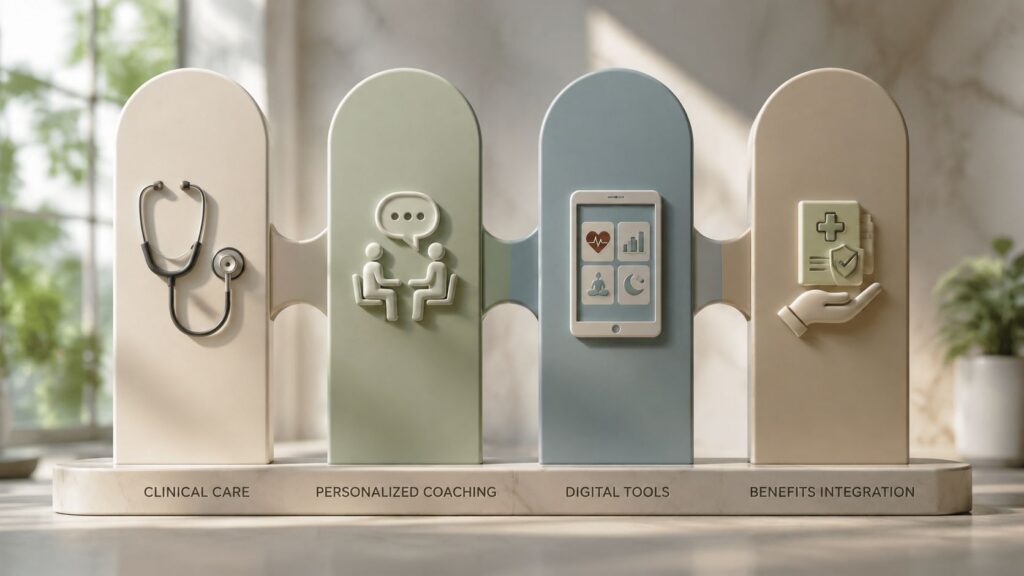
Successful programs typically include several interconnected elements.
Care Coordination
Employees often work with multiple healthcare providers.
Care coordination helps ensure information is organized and that employees understand their treatment plans and next steps.
Personalized Coaching
Health coaching provides practical support that helps employees overcome everyday challenges related to managing chronic conditions.
Digital Support Tools
Technology can assist employees through:
- Appointment reminders
- Medication tracking
- Educational resources
- Secure communication
- Progress monitoring
Digital tools should simplify participation rather than create additional work.
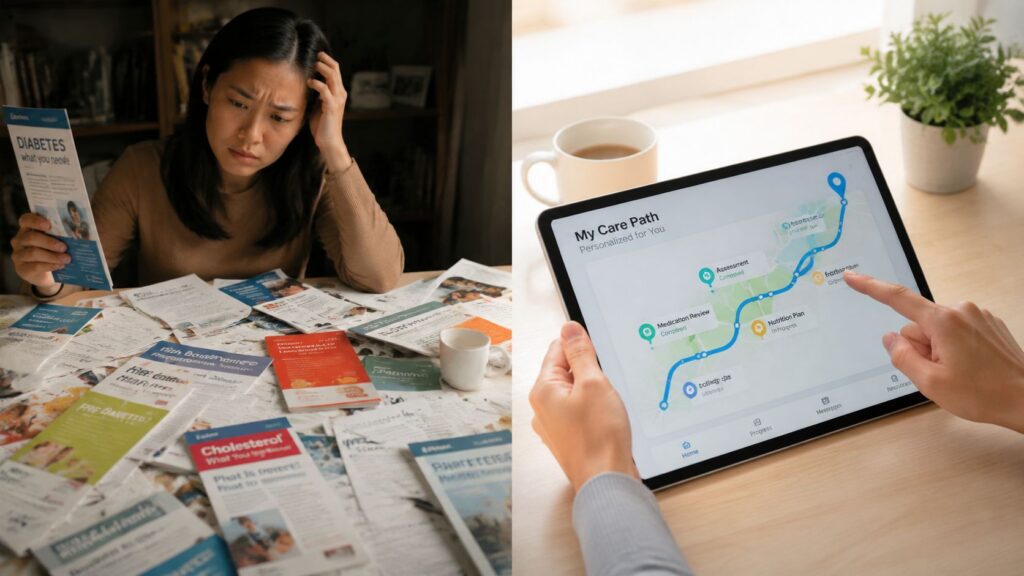
Benefits Integration
One of the most valuable features is connecting existing resources, including:
- Medical benefits
- Pharmacy programs
- Employee Assistance Programs
- Mental wellbeing resources
- Leave management
- Wellness initiatives
When these services work together, employees experience a more seamless support system.
Benefits for Employers
Organizations may experience several advantages from coordinated chronic disease management programs.
Potential benefits include:
- Better workforce stability
- Reduced absenteeism
- Improved employee satisfaction
- Better engagement with existing health benefits
- More effective use of healthcare resources
- Greater confidence among managers and HR teams
Supporting employees before health concerns become emergencies benefits both individuals and the organization.
Implementing a Successful Program
Successful implementation requires thoughtful planning.
Recommended steps include:
- Identify organizational needs
- Select a pilot group
- Define program goals
- Train HR and managers
- Communicate program availability clearly
- Monitor participation and outcomes
- Refine the program over time
Launching with a smaller group allows organizations to improve processes before expanding the program.
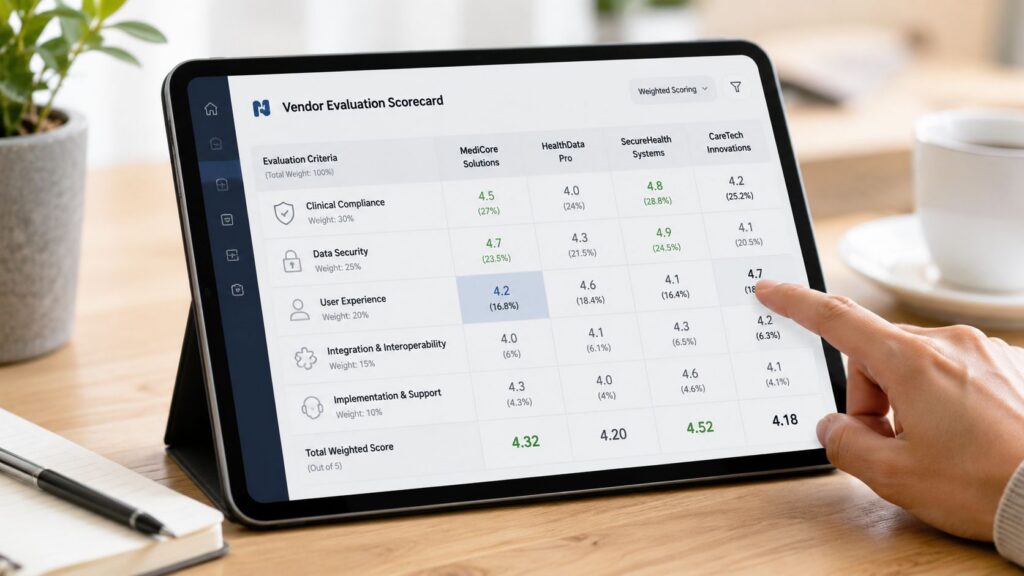
Choosing the Right Vendor
When evaluating potential partners, organizations should consider:
- Experience with chronic disease management
- Care coordination capabilities
- Privacy and security practices
- Integration with existing benefits
- Reporting capabilities
- Employee experience
- Ongoing implementation support
The right partner should fit smoothly into the organization's existing wellbeing strategy.
Measuring Program Success
Evaluation should extend beyond participation numbers.
Useful performance indicators may include:
- Employee participation
- Ongoing engagement
- Care plan completion
- Benefit utilization
- Employee feedback
- Workplace attendance
- Overall program satisfaction
Regular review helps organizations continue improving program effectiveness.
Building a Culture of Ongoing Support
Employees managing chronic conditions often benefit from a workplace culture that encourages early support, open communication, and accessible resources.
Organizations can strengthen that culture by:
- Promoting available benefits
- Educating managers
- Protecting employee privacy
- Encouraging preventive care
- Supporting work-life balance
- Integrating wellbeing into everyday operations
Final Thoughts
Chronic disease management programs help employers move beyond isolated wellness initiatives by creating coordinated systems that support employees living with ongoing health conditions. When care coordination, coaching, technology, and benefits work together, organizations can improve employee wellbeing while strengthening workforce stability and organizational performance.
Excel Wellbeing Solutions partners with organizations to build comprehensive workplace wellbeing strategies through health education, wellness coaching, ergonomic assessments, nutrition guidance, stress management, mental wellbeing programming, and employee wellness initiatives that support healthier, more productive workplaces.