
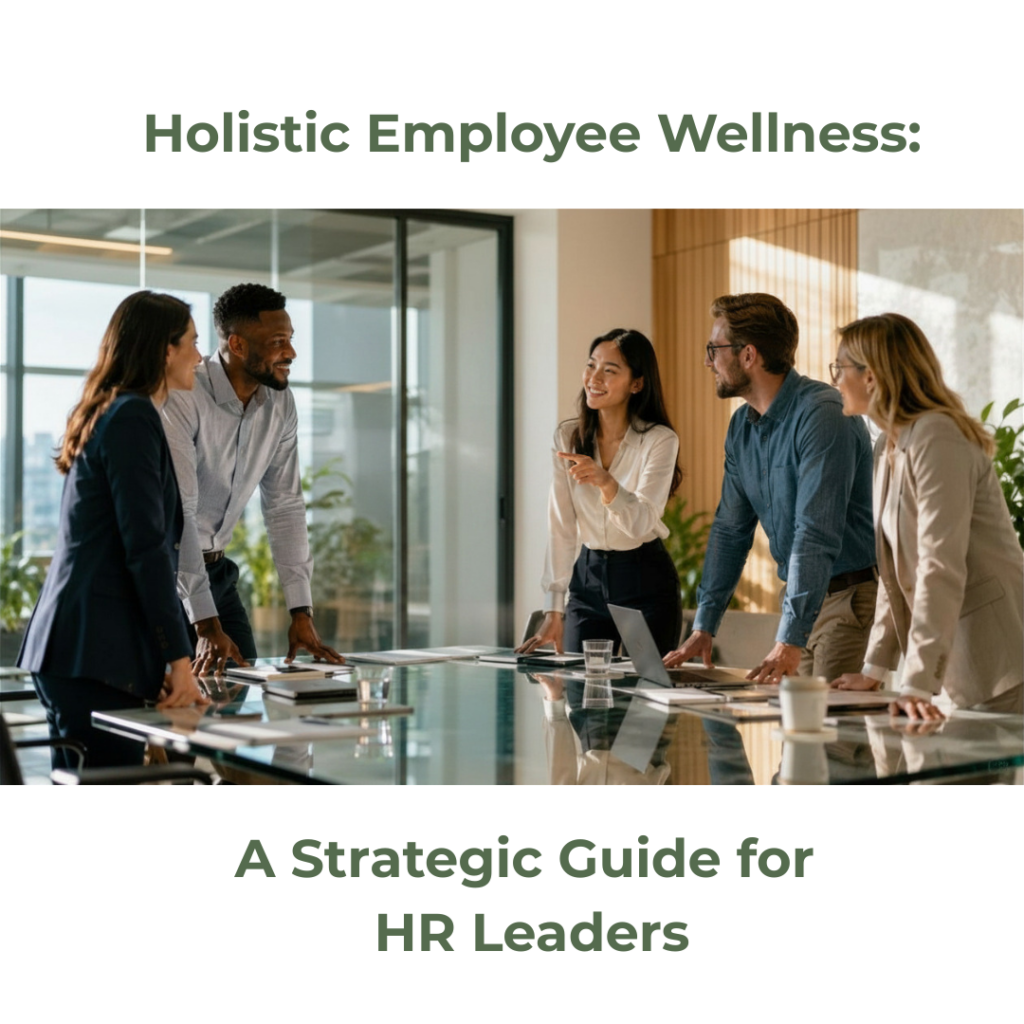
Formal wellness programs are now common across the workplace.
But having a wellness program and creating a healthy work environment are not the same thing.
Many organizations offer resources while continuing to operate in ways that create unnecessary pressure, fatigue, and friction for employees.
That's why holistic employee wellness should be viewed as an operating strategy—not a benefits category.
The organizations that see meaningful results don't simply provide access to support. They improve how work is designed, managed, and experienced every day.
Beyond Perks: What Holistic Wellness Really Means
A gym subsidy, wellbeing app, or quarterly wellness event may provide value.
On their own, however, they do not create a holistic wellbeing strategy.
A holistic approach considers the full employee experience, including:
- How work is organized
- How managers lead
- How workloads are managed
- How recovery is supported
- How financial pressures are addressed
- How employees grow within the organization
Practical rule:
If your wellness program can disappear tomorrow without affecting manager behavior, workload expectations, or team norms, it is probably still operating as a perk.
The Shift From Benefits to Workforce Strategy
The traditional model treated wellness as an optional extra.
Today's leading organizations view wellbeing differently.
They connect it directly to:
- Retention
- Workforce stability
- Manager effectiveness
- Employee experience
- Sustainable performance
This shift moves wellbeing out of benefits administration and into workforce strategy.
The Five Dimensions of Holistic Employee Wellness
Employees do not experience workplace challenges in isolated categories.
They experience work as a system.
A strong wellbeing strategy typically addresses five connected dimensions.
1. Physical Wellbeing
Physical wellbeing includes:
- Movement
- Recovery
- Ergonomics
- Nutrition
- Sleep habits
The key question isn't whether resources exist.
It's whether employees have the time, flexibility, and support to use them.
If calendars remain overloaded and recovery is impossible, physical wellbeing initiatives will have limited impact.
2. Emotional Wellbeing
This dimension focuses on:
- Stress management
- Psychological safety
- Manager support
- Access to confidential resources
Support should exist within the flow of work, not outside of it.
Employees are far more likely to seek help when managers encourage open conversations about workload and capacity.
3. Financial Wellbeing
Financial wellbeing goes beyond compensation.
It also includes:
- Benefits clarity
- Financial education
- Leave support
- Predictability during major life events
Financial pressure often affects concentration, decision-making, and day-to-day engagement long before leaders recognize it.
4. Social Wellbeing
Social wellbeing reflects how teams work together.
It is strengthened through:
- Trust
- Communication
- Collaboration
- Inclusion
- Constructive conflict management
Strong workplace relationships improve participation, engagement, and resilience during periods of change.
5. Career and Purpose
Employees want clarity around:
- Growth opportunities
- Career development
- Contribution
- Long-term success
When advancement feels unclear or high performers are rewarded only with more work, motivation declines quickly.
Career confidence strengthens every other area of wellbeing.

Why These Dimensions Must Work Together
Organizations often manage these areas separately.
Employees do not experience them separately.
A challenge in one area often affects several others.
For example, financial pressure may impact sleep, focus, collaboration, and confidence at the same time.
That's why holistic wellbeing works best when it is designed as an integrated system rather than a collection of standalone programs.
Connecting Wellbeing to Business Outcomes
Executive teams rarely need convincing that wellbeing matters.
What they need is evidence that it improves workforce outcomes.
The strongest business cases focus on:
- Retention
- Absence reduction
- Workforce stability
- Manager effectiveness
- Sustainable productivity
Wellbeing should be positioned as a workforce performance strategy—not simply an employee benefit.
Where Organizations Typically See Results First
Early improvements often appear in:
- Employee retention
- Absence trends
- Manager workload
- Team consistency
- Employee experience feedback
These outcomes affect real business costs and operational performance.
Translate Wellbeing Into Business Language
Each wellbeing dimension contributes differently:
| Dimension | Business Impact |
| Physical | Energy, attendance, performance consistency |
| Emotional | Focus, manager effectiveness, early intervention |
| Financial | Reduced distraction and stronger trust |
| Social | Better collaboration and team effectiveness |
| Career | Retention and internal mobility |
Leadership conversations become easier when wellbeing is connected directly to workforce outcomes.
Why Wellness Programs Fail
Most wellness programs fail for a simple reason:
They add support resources while leaving the work environment unchanged.
Employees quickly notice the disconnect.
A company may offer workshops, apps, and wellbeing campaigns while still operating with:
- Unrealistic workloads
- Excessive meetings
- Constant urgency
- Staffing challenges
- Poor communication
When that happens, trust declines.
Common Failure Points
Many unsuccessful programs:
- Focus on resources rather than work conditions
- Place responsibility solely on HR
- Measure attendance instead of outcomes
- Ignore manager accountability
- Launch initiatives before diagnosing problems
The result is activity without meaningful improvement.
What to Fix First
Start where workplace pressure is easiest to see.
Look for:
- Chronic after-hours work
- High interruption levels
- Frequent priority changes
- Manager escalation patterns
- Low psychological safety
The first improvements are often surprisingly practical:
- Clarify workload expectations
- Improve decision-making processes
- Strengthen manager capability
- Reduce unnecessary meetings
- Normalize recovery and boundaries
These changes often create more impact than adding another wellbeing resource.
Building an Integrated Wellbeing Strategy
Once organizations understand where pressure exists, design becomes much more effective.
Start with diagnosis.
Use:
- Employee feedback
- Manager input
- Retention data
- Absence patterns
- Operational performance trends
Then design interventions around the specific challenges employees are experiencing.
Build at Three Levels
The strongest strategies usually operate across:
Enterprise Level
Policies, communication standards, benefits access, and leadership expectations.
Team Level
Workload management, meeting practices, role clarity, and manager support.
Individual Level
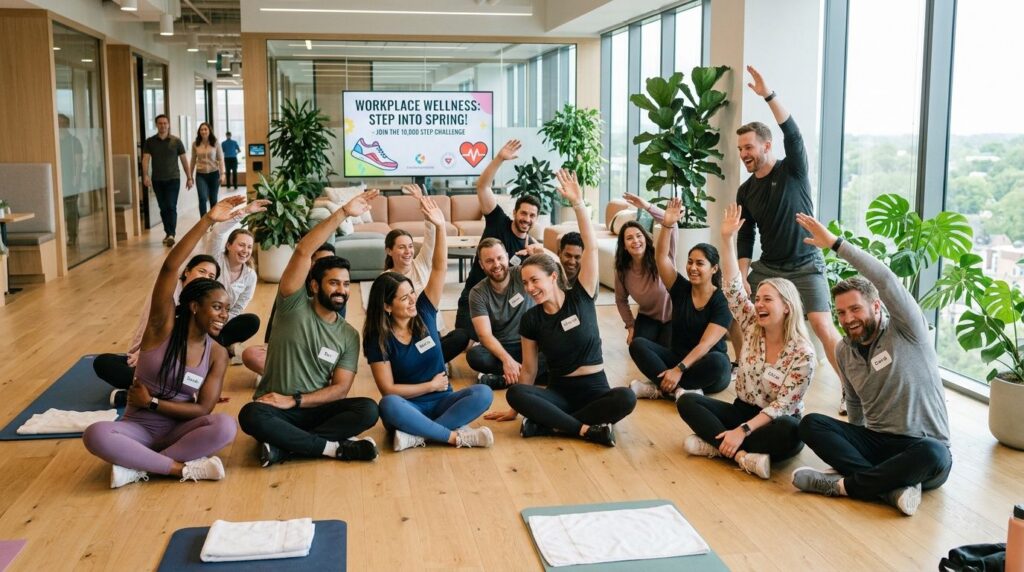
Education, coaching, workshops, fitness programs, massage therapy, and wellbeing resources.
This layered approach creates much stronger outcomes than relying on individual programs alone.
Keep It Simple
Employees do not need a massive library of resources.
They need support that is:
- Easy to access
- Easy to understand
- Relevant to real workplace challenges
Organizations often see better results by launching fewer initiatives and communicating them more effectively.
Measuring Meaningful ROI
Attendance and satisfaction matter.
They are not enough.
A stronger measurement framework evaluates:
| Area | Examples |
| Adoption | Participation and repeat use |
| Experience | Employee feedback and manager support |
| Workforce Impact | Retention, absence, engagement |
| Business Outcomes | Stability, productivity, team performance |
The goal is to understand whether workplace conditions are improving—not simply whether employees attended an event.
Avoid Common Measurement Mistakes
The most common errors include:
- Skipping baseline data
- Measuring only participation
- Ignoring team-level differences
- Separating wellbeing metrics from workforce performance data
The strongest ROI stories connect wellbeing efforts to measurable business outcomes over time.
Building a Culture of Wellbeing
Holistic employee wellness is not a standalone program.
It is a decision about how an organization operates.
The strongest organizations:
- Improve work design
- Support managers
- Reduce unnecessary friction
- Encourage sustainable performance
- Measure outcomes consistently
Over time, those choices create a workplace where employee wellbeing and business performance reinforce one another.
Final Takeaway
Holistic employee wellness becomes most effective when it moves beyond perks and becomes part of how work is designed, managed, and measured.
Organizations that succeed focus on:
- Better work environments
- Stronger manager practices
- Practical employee support
- Clear business outcomes
- Continuous improvement
That is what transforms wellbeing from a benefit into a workforce strategy.
Excel Wellbeing Solutions helps organizations build practical wellbeing strategies through workplace fitness programs, massage therapies, educational seminars, nutritional guidance, and workforce support services designed to improve employee experience and organizational performance.
For HR leaders, the objective is simple: create environments where employees can thrive and organizations can perform at their best.