
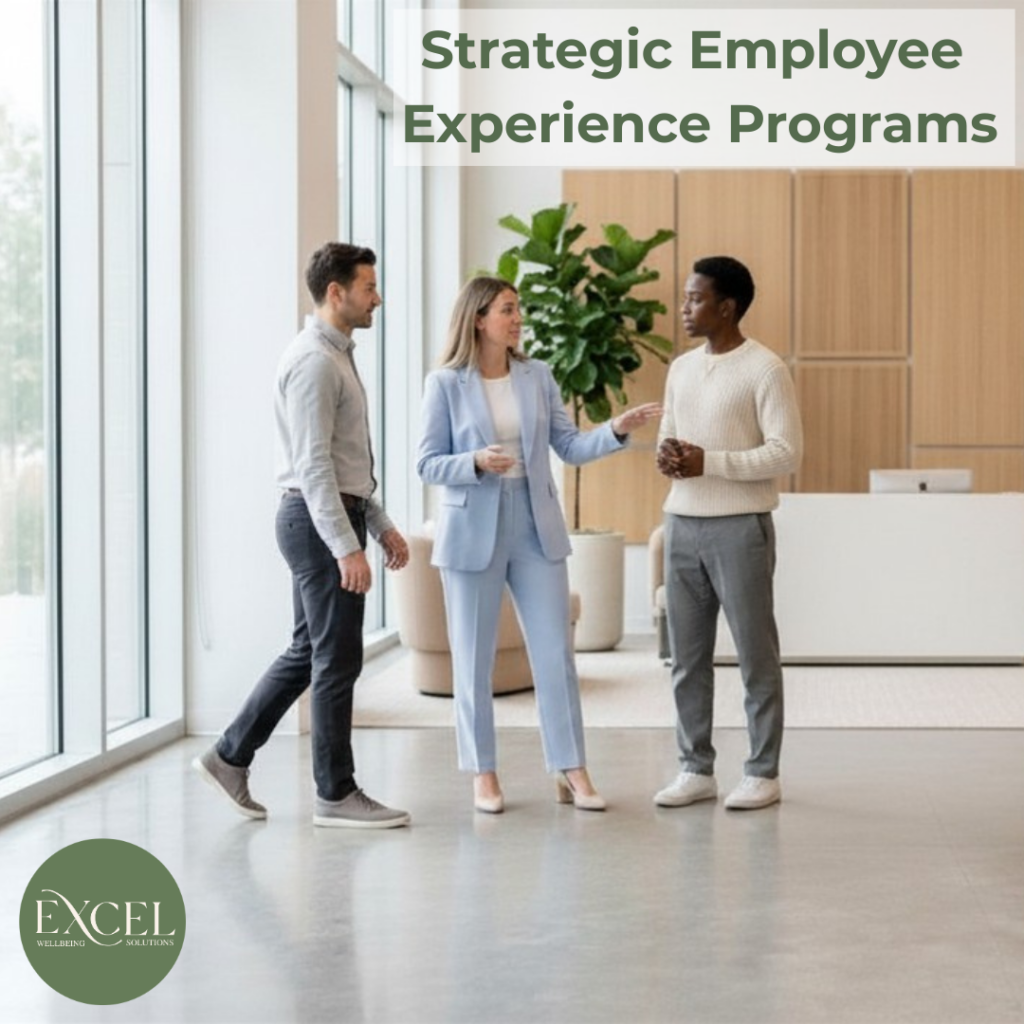
Employee experience is no longer just an HR initiative.
For many organizations, it has become a workforce performance issue.
The quality of the employee experience influences:
- Retention
- Productivity
- Manager effectiveness
- Workforce stability
- Employee engagement
Organizations that excel in these areas typically focus less on perks and more on reducing friction in how work gets done.
The goal isn't simply to create happier employees.
The goal is to create an environment where people can contribute effectively, navigate change successfully, and sustain performance over time.
Why Employee Experience Matters
Employees experience an organization through everyday interactions:
- Manager communication
- Workplace systems
- Approval processes
- Support services
- Career opportunities
- Recognition and feedback
When those experiences create unnecessary friction, business performance suffers.
Common warning signs include:
- Higher turnover
- Slower onboarding
- Increased absence
- Reduced productivity
- Manager strain
These are operational challenges—not just culture challenges.
Practical rule:
If employees spend more time navigating internal obstacles than doing meaningful work, employee experience has become a business problem.
Moving Beyond Employee Satisfaction
Many organizations still rely heavily on annual surveys and engagement scores.
Those tools provide useful feedback, but they rarely explain why problems exist.
Strong employee experience programs focus on identifying and removing friction.
That means examining:
- Workflow design
- Manager capability
- Service responsiveness
- Technology usability
- Employee support systems
The objective is not simply to measure sentiment.
It is to improve how work actually happens.
What Employee Experience Programs Really Include
Employee experience programs are often misunderstood as engagement initiatives or benefit programs.
In reality, they are systems for improving the employee journey from onboarding through exit.
A strong program typically includes:
Lifecycle Design
Improving key moments such as:
- Recruiting
- Onboarding
- Internal mobility
- Promotions
- Offboarding
Manager Enablement
Because managers shape daily experience, organizations invest in:
- Communication skills
- Feedback practices
- Recognition
- Leadership consistency
Manager capability often has a greater impact than any single program.
Employee Listening
Organizations gather:
- Surveys
- Focus groups
- Manager feedback
- Workforce data
The purpose is early problem identification, not simply collecting opinions.
Operational Improvements
Reducing employee effort by simplifying:
- HR processes
- Internal services
- Workplace systems
- Approval workflows
The best employee experience improvements often come from making work easier.
Workplace Wellbeing Support
Workplace wellbeing services can strengthen employee experience when connected to a specific workforce need.
Examples include:
- Workplace fitness programs
- Massage therapy
- Stress-management workshops
- Educational seminars
- Virtual wellbeing support
These services create the most value when they support measurable workforce objectives rather than operating as standalone perks.

The Three Pillars of a Strong Employee Experience Strategy
One of the most useful frameworks for executive teams is organizing employee experience around three core pillars.
1. Culture
Culture reflects how leadership decisions are experienced by employees.
Key elements include:
- Communication
- Trust
- Recognition
- Transparency
- Leadership consistency
Weak culture often slows execution long before it appears in survey results.
2. Environment
Environment includes both physical and digital working conditions.
Examples include:
- Workplace tools
- Technology access
- Service responsiveness
- Process efficiency
- Workspace design
Every unnecessary delay increases employee effort and reduces productivity.
3. Growth
Growth focuses on helping employees build sustainable careers.
This includes:
- Development opportunities
- Career mobility
- Recognition
- Support resources
- Wellbeing initiatives
Employees are more likely to remain engaged when they can see a future within the organization.
How the Pillars Work Together
A successful strategy doesn't invest equally across all three pillars.
Instead, leaders identify where friction is creating the greatest business impact and focus resources there first.
That approach creates better outcomes than trying to improve everything simultaneously.
Measuring Employee Experience Success
One of the most common mistakes organizations make is measuring activity instead of outcomes.
Participation matters.
Business impact matters more.
A practical measurement framework includes three levels:
| Level | Examples |
| Adoption | Participation, utilization, awareness |
| Workforce Impact | Manager effectiveness, employee effort, experience quality |
| Business Outcomes | Retention, productivity, absence trends |
The goal is simple:
Connect employee experience improvements to measurable workforce outcomes.
Match Metrics to the Intervention
Not every initiative should be measured the same way.
Examples:
| Initiative | Measure Success By |
| Onboarding improvement | Faster time to productivity |
| Manager development | Team retention and consistency |
| Process redesign | Reduced employee effort |
| Wellbeing services | Workforce participation and support outcomes |
The metric should always reflect the business problem being solved.
A Practical Roadmap for Implementation
The strongest programs follow a phased approach.
Phase 1: Diagnose
Identify:
- Employee friction points
- Workforce needs
- Operational barriers
- High-risk employee groups
Phase 2: Design
Define:
- Business objectives
- Target populations
- Ownership
- Success metrics
Phase 3: Pilot
Test solutions on a smaller scale before expanding.
Use pilots to:
- Validate assumptions
- Measure adoption
- Refine delivery
Phase 4: Scale and Improve
Expand successful initiatives while continuously reviewing:
- Workforce feedback
- Participation patterns
- Business outcomes
Employee experience should evolve alongside the organization.

Sustaining Long-Term Results
Employee experience becomes valuable when it operates as an ongoing management discipline rather than a one-time initiative.
Strong organizations:
- Review workforce data regularly
- Improve manager capability
- Remove operational friction
- Adjust programs based on evidence
- Invest where results are strongest
Long-term success comes from continuous improvement—not periodic campaigns.
Final Takeaway
Strategic employee experience programs are not about adding more perks.
They are about creating conditions that allow employees to do their best work with less friction.
The strongest organizations:
- Improve manager effectiveness
- Reduce operational barriers
- Support workforce wellbeing
- Measure outcomes consistently
- Align employee experience with business priorities
That is what turns employee experience into a competitive advantage.
Excel Wellbeing Solutions helps organizations strengthen employee experience through workplace fitness programs, massage therapy, educational seminars, wellbeing workshops, and other workforce support services that align with broader organizational goals.
For HR leaders, the objective is clear: build experiences employees value and leadership can measure.