
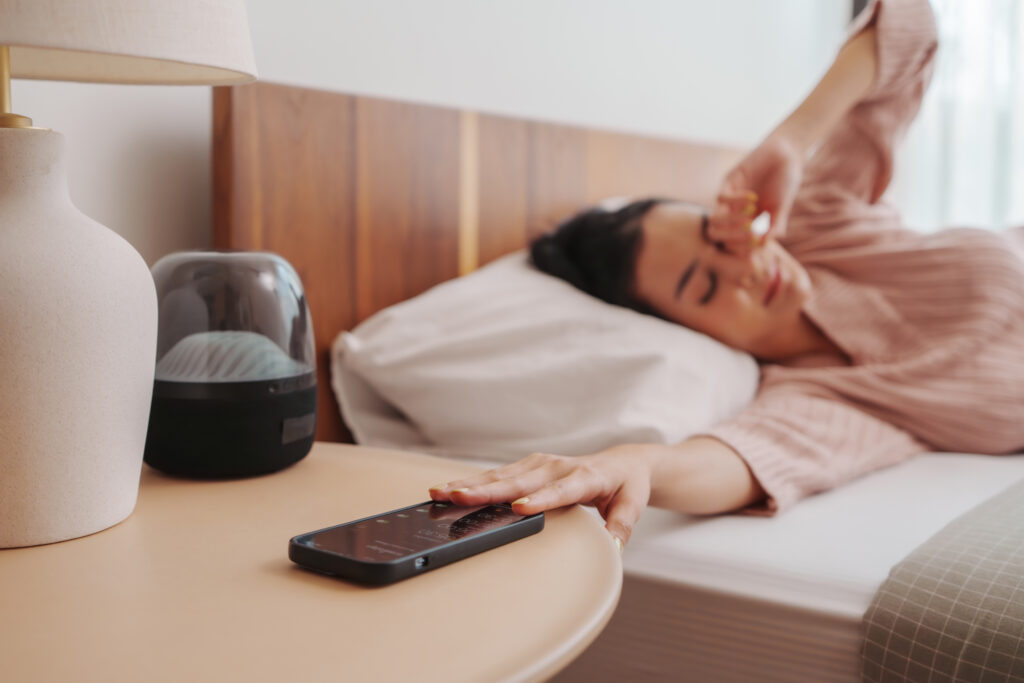
A good night's sleep is one of the most powerful tools we have for improving well-being at work, and our wellness as a whole. Yet, when life gets busy, sleep is often the first thing to be compromised. Long hours, evening screen time and the pressure to stay constantly connected can all contribute to poor sleep habits, affecting everything from your emotional regulation and physical health to your cognitive performance on your job.
With quality sleep being so critical to our well-being at work, it's important for HR leaders to recognize sleep as a foundational element of any workplace wellbeing strategy. According to the CDC, getting enough quality sleep can help reduce stress, improve mood, sharpen memory, and enhance daily performance. These are all critical for thriving at work, and affects your employees across all teams, both onsite and those who work remotely.
In this post, we'll walk through five easy, research-backed steps that you can do to improve your sleep. If you have ever wondered how sleep might improve your mental health or well-being at work, here's what you need to know.

Step 1: Prioritize a Consistent Sleep Schedule
Each of our bodies has an internal clock that thrives on routine. Going to bed and waking up at the same time each day helps to strengthen our circadian rhythms, allowing us to fall asleep more easily and wake up feeling rested and ready for the day. According to sleep researchers and The Sleep Foundation, a lack of sleep (or “sleep debt”) is costly. It can actually take up to four days to recover from just one hour of lost sleep and up to nine days to completely eliminate the impacts of sleep deprivation. That means when you stay up too late binge-watching the latest Netflix show or you're still handling your work emails at bedtime, you might need nearly a week to fully reset. Our choices have an enormous impact on our sleep, and on our health overall. Consider setting a recurring bedtime alarm on your phone to remind you to deactivate notifications and get ready for bed. Also try sticking to the same wake-up time every day to help your circadian rhythm find its routine.
From an employer's perspective, a lack of sleep has real costs. If an employee is not sleeping well, after a while they might need to take multiple days off due to illness, fatigue, or burnout-related symptoms. When you multiply that across your workforce, the impact on productivity and profitability becomes significant. But prevention is better than a cure. This starts with education on sleep-friendly habits as part of your health and wellness programs for employees, as well as influencing your company culture to reduce the expectation of working late at night and forming healthy sleep habits.
Step 2: Avoid Evening Screen Time
Scrolling on your phone before bed might seem harmless, and in fact if you find yourself scrolling late at night, you're in good company. According to the American Academy of Sleep Medicine, 45% of Americans do so when they are having trouble sleeping. But the blue light that smartphones and tablets emit disrupts your precious circadian rhythm and can delay your melatonin production, making it harder to fall asleep. It becomes a vicious cycle. In a 2024 study published in the Journal of Adolescent Medicine, screen use around bedtime is proven to cause sleep disturbance and shorter sleep duration. We also know that scrolling on social media before bed can influence the content of dreams and interfere with REM sleep, the stage responsible for emotional processing, problem-solving while we're asleep and behavior, appetite and curiosity when we're awake. With the NIH noting that sleep deprivation is linked to emotional dysregulation and heightened risk of depression, making sure that you and your staff are prioritizing sleep health is essential to performance and employee well-being at work.
Step 3: Create a Restful Sleep Environment
Supportive sleep starts with the right setting. Adopting small but effective changes at home, like keeping your bedroom cool and dark, removing electronic devices from your sleep environment, and using calming routines such as reading, meditation, or stretching before bed can make a huge impact on your ability to get restful sleep. If you are a remote worker, or manage staff who work from home, it's especially important that boundaries between work and rest are set, so that their wellness is not compromised.
This is where HR wellness initiatives can make a difference. Offering guided mindfulness and meditation sessions, digital detox challenges, informative sleep education sessions or helpful stretching classes as part of your employee wellbeing programs can help reinforce healthy nighttime routines and reduce sleep disruptions, leading to a healthier workforce overall.
Step 4: Understand That Quality Sleep Impacts Your Whole Body and Your Well-Being at Work
How do you feel after a good night of sleep? Most people will probably recognize that they feel refreshed, calm or energized. Sleep is one of the most critical components of physical and mental health and recognizing that helps us to make it a priority. The CDC reports that sufficient sleep can improve heart health, boost immunity, lower the risk of type 2 diabetes and stroke, and enhance your metabolism. While the Office of Disease Prevention and Health Promotion goes one step further to emphasize sleep's role in helping us think clearly, form long-term memories, and make safer decisions, such as driving alertly on the way to work. Whichever way you look at it, getting enough sleep is a win-win for your mental, physical and emotional health and harnessing its power is vital for your well-being.
As an employer, it's important to consider how the parameters and boundaries around rest impacts your staff. According to the National Sleep Foundation and the National Highway Traffic Safety Administration, drowsy driving causes an estimated 100,000 accidents and 6,400 deaths per year in the USA. As part of your duty of care to your employees, be sure to check in about the amount of sleep they are getting and consider if there are benefits you can offer to assist with this, including flexible or remote working and corporate wellness activities. Rest for your employees doesn't just physically protect them on their commute but helps them show up at work as their best selves, being able to think critically and collaborate effectively. A healthy workplace is reliant on good sleep.
Step 5: Include Sleep Support in Your Workplace Wellbeing Strategy, or Ask Your Leadership to Do So
We now know that sleep is fundamental to workplace effectiveness and individual health. So, from a leadership perspective, it's essential to consider how you are supporting that. Facilitating sleep-focused education with practical tools as part of your HR wellness initiatives signals that you care about the full spectrum of employee wellbeing. It also equips your team with practical skills to manage their stress, avoid burnout, and be mentally healthy enough to think creatively.
Consider including sleep support as part of your guidance on well-being at work, with offerings such as webinars on sleep hygiene, expert Q&A sessions, or on-site sound baths and meditation workshops. These can complement your existing employee wellbeing programs and reinforce your staff's well-being at work. Employee wellness initiatives that directly address sleep support stronger cognitive function, higher energy levels, and more balanced moods throughout the workday.
Investing in Sleep Education as Part of Well-Being at Work Is an Investment in Your Team
When companies treat sleep as part of their workplace health solutions, the results ripple throughout the organization. Employees feel supported, HR teams can reduce absenteeism, and companies benefit from a healthier, more focused workforce. Sleep matters. So as part of your broader commitment to employee engagement and wellbeing, make sure your health and wellness programs for employees include strategies to improve their rest and reduce sleep deprivation.
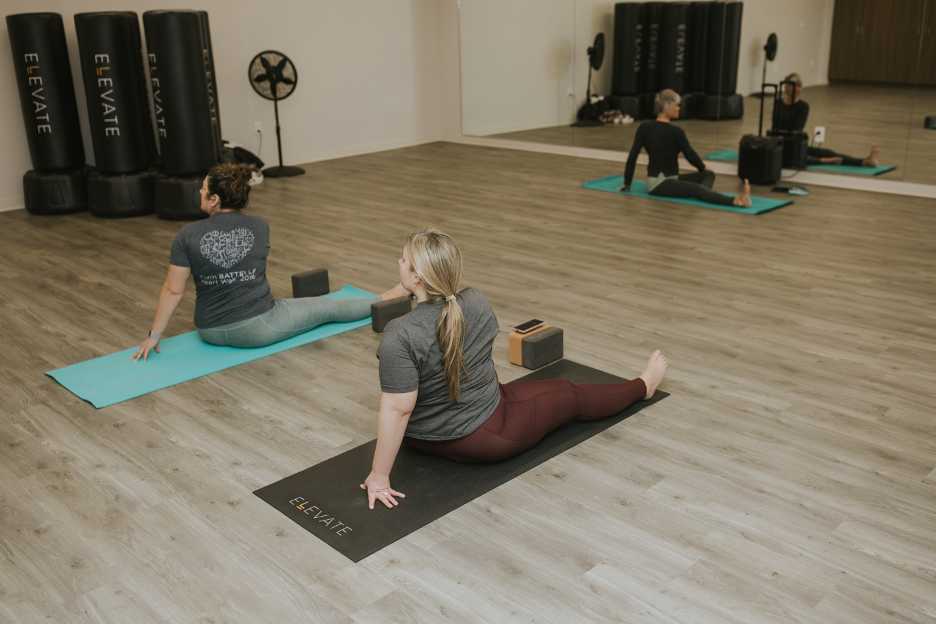
We're here to help. Our workplace wellness offerings include expert-led sleep education, such as interactive workshops and seminars on sleep health, or how to establish a routine for better sleep. We also provide stretching sessions with yoga, guided mindfulness sessions and relaxing sound baths, among others.
Get in touch today to see how we can support your goals for well-being at work.