

When we talk about workplace wellness, the conversation often begins with how to manage stress or support employees after they are already struggling or when they have just received a health diagnosis. Which are so important and necessary. However, a more powerful approach starts earlier, by focusing on prevention.
Preventative health is about every action you take that supports your health in the long run. Prevention means building daily habits that help people stay well in the first place and reduces their susceptibility to illness or injury. These habits support your physical health, mental clarity, and emotional resilience. While this is something that we should all take responsibility for, it's even more important for HR managers and decision makers who are looking to improve staff retention, reduce absenteeism, and promote workplace wellbeing. Preventative health is the foundational piece of every employee wellness program and introducing it into your workplace is more accessible than you might think.
From movement and mindfulness to better sleep and thoughtful nutrition, here are six ways that can help you, or your employees, feel and perform well.

1. Move Your Body. Especially During the Workday.
We all know that exercise is beneficial for us, but it's probably been many years since you took Biology 101 or Health Class and it's so easy to forget why. Movement is so important because it helps our physical wellbeing. Regular exercise is one of the most effective ways to manage high blood pressure (hypertension), improve your energy, and support long-term cardiovascular health. The Mayo Clinic even states that regular exercise can reliably lower blood pressure without medication. With around half (48.1%, or 119.9 million) of Americans having high blood pressure, per the CDC, this is more vital than ever before.
If you're wondering where to begin, try joining your company's run club or attending a workplace fitness session, or for a low-impact approach, switch some of your meetings and calls to take place while walking instead. Even light movement can help reduce chronic health risks and the more you move your body, the easier it will be.
For organizations, consider adding corporate wellness programs that include yoga, Zumba, or desk-based exercises, to make movement accessible and engaging. These sessions improve employee focus and support a positive work environment, while also reducing the long-term costs associated with inactivity and sedentary working.
2. Practice Meditation and Mindfulness for Better Mental Clarity
Meditation and mindfulness are essential pillars of your health. While you're probably aware that they support your mental wellbeing and reduce stress levels, did you know that they have measurable physical health benefits, too? Meditation and mindfulness has been shown to reduce your blood sugar, specially your A1C levels. A 2018 study published in India's National Journal of Yoga found that meditation significantly reduced blood sugar levels in participants. In 2020, a second study was carried out in Iran, which found the same results and noted a marked increase in reported happiness among individuals who practiced mindfulness regularly, and was published in the Journal of Diabetes & Metabolic Disorders.
Practicing meditation and mindfulness is powerful, offering tangible benefits across the full spectrum of wellness. For HR leaders, we'd suggest that guided meditation or mindfulness sessions are essential for your workplace wellness offerings. These practices help staff manage stress, stabilize mood, and build mental resilience, which in turn improves performance and engagement throughout the day. With 1 in 10 adults in the USA having diabetes, and around 90-95% of those having type 2 diabetes, the associated costs add up, but prevention is key and is attainable.

3. Make Sure that You Take a Break
The American Psychological Association recommends that when you're at work, you should be taking regular breaks to prevent burnout, reduce stress and restore your cognitive resources. Without regular pauses, productivity drops and mental fatigue increases. Breaks are essential for focus and problem-solving, not a sign of inefficiency, and should be prioritized, even on the busiest days. Be sure to stop for lunch, or go for a power-walk to relieve your mid-morning or mid-afternoon slump, and your mind will thank you for it!
From an organizational perspective, HR wellness initiatives that support structured break times are essential to overall employee wellbeing. For HR teams and people managers, one of the most helpful things you can do for your team is to model and encourage taking breaks. Consider adding quiet recharge spaces at work, therapy dog visits, or chair massage sessions to boost your team's morale and to visibly give them opportunity to pause. These create natural moments for mental recovery during the workday and contribute to a more sustainable work culture.
4. Integrate Nutrition into Your Meals and Snacks
Does nutrition really matter? Yes, and for a whole host of reasons. Balanced nutrition supports blood sugar regulation, immune health, and helps you sustain your energy. That means saying goodbye to the after-lunch crash and hello to using food as a tool for your health. The National Institute of Environmental Health Sciences tells us that nutrition is integral to disease prevention and health promotion, and with a little planning, it's easy to do. For example, when you're needing a snack, choose an option that's high in protein and fiber like apple slices with peanut butter or hummus and veggie sticks (carrot, celery and cucumber all work well), instead of reaching for chips or a chocolate bar. Keeping a stack of these in the refrigerator at work means that you'll always have an easy and nutritious option when the hunger pangs strike. Don't be intimidated by the idea of nutrition and healthy eating, it just takes a little thoughtful preparation ahead of time.
Nutrition guidance is natural fit within employee wellbeing programs, and our expert-led nutrition sessions and healthy cooking demonstrations help teams in a hands-on way with education, tastings and recipes to practice at home. If you're a decision-maker for corporate benefits, you can make an impact by offering healthy snack options in the break room, organizing nutritious cooking demonstrations, or scheduling virtual nutrition sessions. Partnering with us to deliver these services helps staff make better food choices that support both their immediate brain power and their long-term health.
5. Harness the Power of Sleep
Sleep affects nearly every aspect of physical and mental health. It supports immune function, stabilizes blood pressure, and helps regulate mood. If you're not getting enough sleep, or poor quality sleep, you may find that before long, you're experiencing brain fog, higher stress levels, lower mood or you need to take time off work to recover. Not getting enough sleep is costly, and at times, dangerous.
By offering workshops on sleep hygiene and providing wellness activities that focus on relaxation, like sound baths and yoga, HR teams can arm their employees with practical tools to improve their rest. Sleep-focused corporate wellness services also encourage leadership to model healthy boundaries around after-hours work, reinforcing a culture of rest and recovery.
6. Focus on Building Muscle
Strength training is often overlooked in workplace wellness conversations, but it plays a key role in preventative health. Building muscle improves your posture, joint stability and bone density, all of which reduce the risk of injury from daily movement or sedentary strain. It can also help with weight management and your ability to think and learn, too. Strengthening our bodies is imperative for the workplace, as it helps to prevent back pain and repetitive strain injuries, which are common in office environments, or roles where you're seated for most of the time.
Including resistance training in your employee wellness programs offers long-term protection for your team's physical health. Our sessions can be offered onsite or virtually and help employees build resilience in their bodies, while feeling more confident in their physical capabilities throughout the workday.
7. Make Preventative Health Part of Your Workplace Wellness Strategy, or Ask Your Leadership To
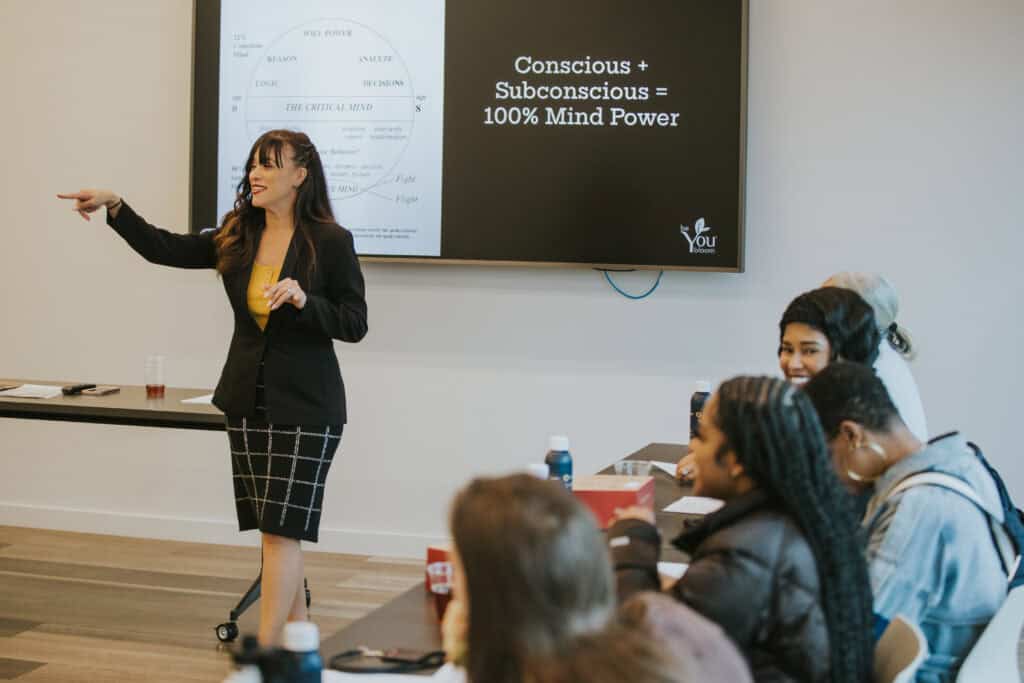
Preventative health works best when it becomes part of your organization's rhythm. A few small adjustments can help you embed wellness into your daily culture, which in turn improves overall employee wellbeing. If you're wondering where to begin, try introducing a monthly focus on different wellness topics, offering lunch and learn workshops, or hosting interactive sessions like cooking demos, guided mindfulness, or strength-building classes. With our experience in workplace wellness and corporate wellbeing initiatives, we make it easy to tailor offerings to your team's needs and schedule. When preventative health becomes an intrinsic part of your workplace wellness strategy, the benefits are felt across the entire organization.
Healthy Habits and Happier Teams
Preventative health strategies are not quick fixes, but they are a steady investment in your organization, for healthier teams, better productivity, and a more connected workplace. When employees have the tools they need to stay well, they bring more focus and creativity to their work and you'll see reduced absenteeism in the long-run.
Our employee wellness solutions are designed to make this easy. Whether you're introducing health and wellness programs for employees for the first time or building on what you already have, we offer everything from fitness classes and meditation to therapy dogs and nutritious cooking demonstrations. We'll partner with you to provide preventative wellness programs that work for your workforce.