

Workplace stress is expensive. It impacts performance, increases absenteeism, and drives turnover—making it a business issue as much as a wellbeing concern.
For HR and business leaders, the question is no longer whether stress is affecting the organization. It's which solutions employees will actually use in the middle of a demanding workday.
Stress shows up in small but costly ways: missed details, shorter attention spans, preventable conflict, more sick days, and disengagement. These issues impact operations long before they appear in a survey.
Speed matters—but fit matters just as much.
A stress-reduction technique only creates value if it can be used between meetings, during a difficult conversation, or in the middle of a high-pressure moment. Tools that require long sessions, private space, or complicated setup rarely gain traction.
The techniques below are designed for real workplaces—low friction, easy to implement, and directly tied to performance and recovery.
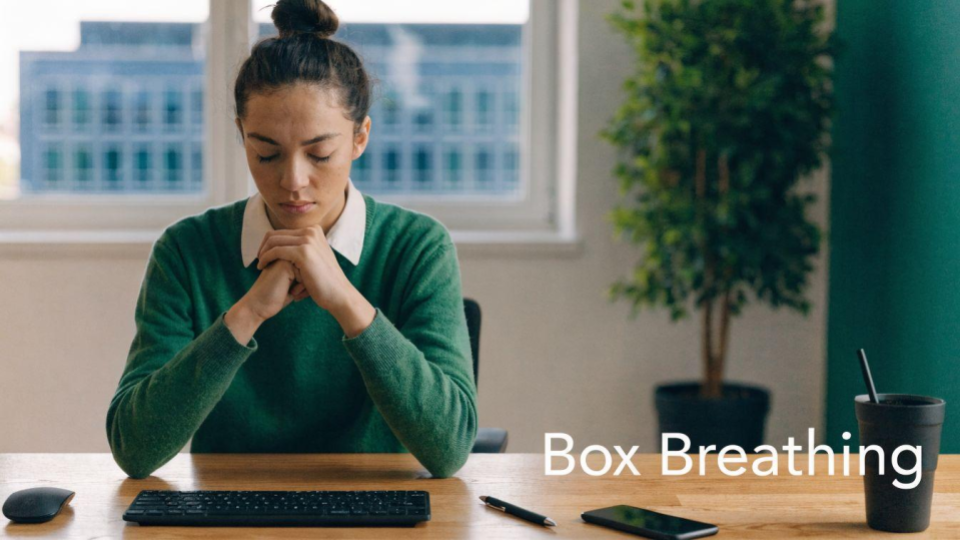
1. Box Breathing
When stress spikes, employees need something immediate and usable. Box breathing works because it can be done in under two minutes, without leaving a desk or drawing attention.
The method is simple:
Inhale for four counts ? hold for four ? exhale for four ? hold for four.
A few cycles can slow the stress response and restore enough control to move forward effectively—whether that's a presentation, a client call, or a difficult conversation.
The real value is consistency. Employees perform better when they have a clear, repeatable action instead of vague advice like “just relax.”
How to make it work:
- Introduce it during meetings or training sessions
- Place simple reminders where stress occurs (meeting rooms, collaboration tools)
- Encourage managers to model it appropriately
Key takeaway: Teach it before employees need it. Skills practiced during calm moments are far more likely to be used under pressure.
2. Micro-Breaks with Movement
Employees don't need long breaks—they need permission and structure to take short ones.
Micro-breaks help by interrupting mental fatigue and reducing physical tension from long periods of sitting or screen time. Even a few minutes of standing, walking, or stretching can reset focus and energy.
The difference between success and failure here is culture.
Where it works:
- Schedule short breaks mid-morning and mid-afternoon
- Build breaks into workflows (after meetings, before deep work)
- Make movement visible and acceptable—not something employees feel guilty for
A five-minute break only works if employees trust it won't be held against them.
3. Progressive Muscle Relaxation (PMR)
Some employees experience stress mentally. Others feel it physically—in their shoulders, jaw, neck, or back.
Progressive Muscle Relaxation helps by addressing physical tension directly.
The technique involves tensing and releasing muscle groups one at a time, helping employees recognize and release stress stored in the body.
Why it works:
- Requires no equipment
- Can be done at a desk
- Quickly reduces physical strain
Shortened versions (focused on shoulders, face, and hands) are often the most practical in workplace settings.
4. Mindfulness and Meditation
Mindfulness helps employees notice stress earlier and regain focus before it impacts performance.
The key is keeping it realistic.
Long sessions may work in workshops, but in a typical workday, shorter guided practices (3–5 minutes) see far higher adoption.
How to implement effectively:
- Offer short, guided options—not just long sessions
- Place them around real stress points (before meetings, after difficult interactions)
- Ensure leadership models the behavior
Mindfulness is most effective when it's treated as a practical skill—not a symbolic perk.
5. Strategic Hydration and Nutrition Breaks
Stress often worsens when basic physical needs are ignored.
Employees who skip meals or rely heavily on caffeine are more likely to experience energy crashes, irritability, and reduced focus.
A simple strategy—making hydration and nutrition easy—can prevent unnecessary strain.
What works:
- Place water where employees already work
- Provide practical food options (protein, fruit, simple snacks)
- Avoid scheduling that eliminates normal break times
This isn't a “wellness extra”—it's operational support that improves consistency and performance.
6. Onsite Massage and Bodywork
Physical tension is one of the earliest signs of stress, even when employees don't verbalize it.
Onsite massage works because it removes friction—employees don't need to schedule, travel, or sacrifice personal time to access support.
Best practices:
- Keep sessions short (10–15 minutes)
- Use existing spaces (conference room, quiet room)
- Position it as proactive support—not a last resort
This is especially effective for teams with long desk hours, repetitive movement, or high emotional demand.
7. Nature Exposure and Outdoor Breaks
Sometimes the most effective intervention is environmental.
A short outdoor break, walking meeting, or access to natural light can create a meaningful reset—especially for employees experiencing mental overload.
Why it works:
- Changes the environment, not just behavior
- Creates separation from stress
- Improves mood and focus quickly
How to support it:
- Encourage walking meetings when possible
- Create clear permission for outdoor breaks
- Add natural elements indoors when outdoor access is limited
Even small environmental changes can significantly improve day-to-day recovery.
From Techniques to Strategy
No single technique will solve workplace stress on its own.
The real opportunity lies in combining:
- Immediate-use tools (breathing, movement, mindfulness)
- Physical support (nutrition, bodywork)
- Environmental and cultural changes
Organizations see the strongest results when they address both how employees manage stress and what is creating it.
Managers play a critical role. When leaders protect breaks, clarify priorities, and model healthy work patterns, adoption increases and programs become credible.
Final Thought
Stress isn't expensive only because of health costs. It impacts productivity, engagement, and retention every day.
The most effective organizations don't rely on a single solution. They build systems that help employees:
- Recover quickly
- Stay focused
- Sustain performance over time
Start with what employees can actually use today. Then build from there.
About Excel Wellbeing Solutions
Excel Wellbeing Solutions helps organizations build practical, effective workplace wellness programs—from onsite services and fitness to mental health education and recovery support.
If reducing workplace stress is a priority, the right program doesn't add more to employees' plates—it helps them perform better within the realities of their workday.